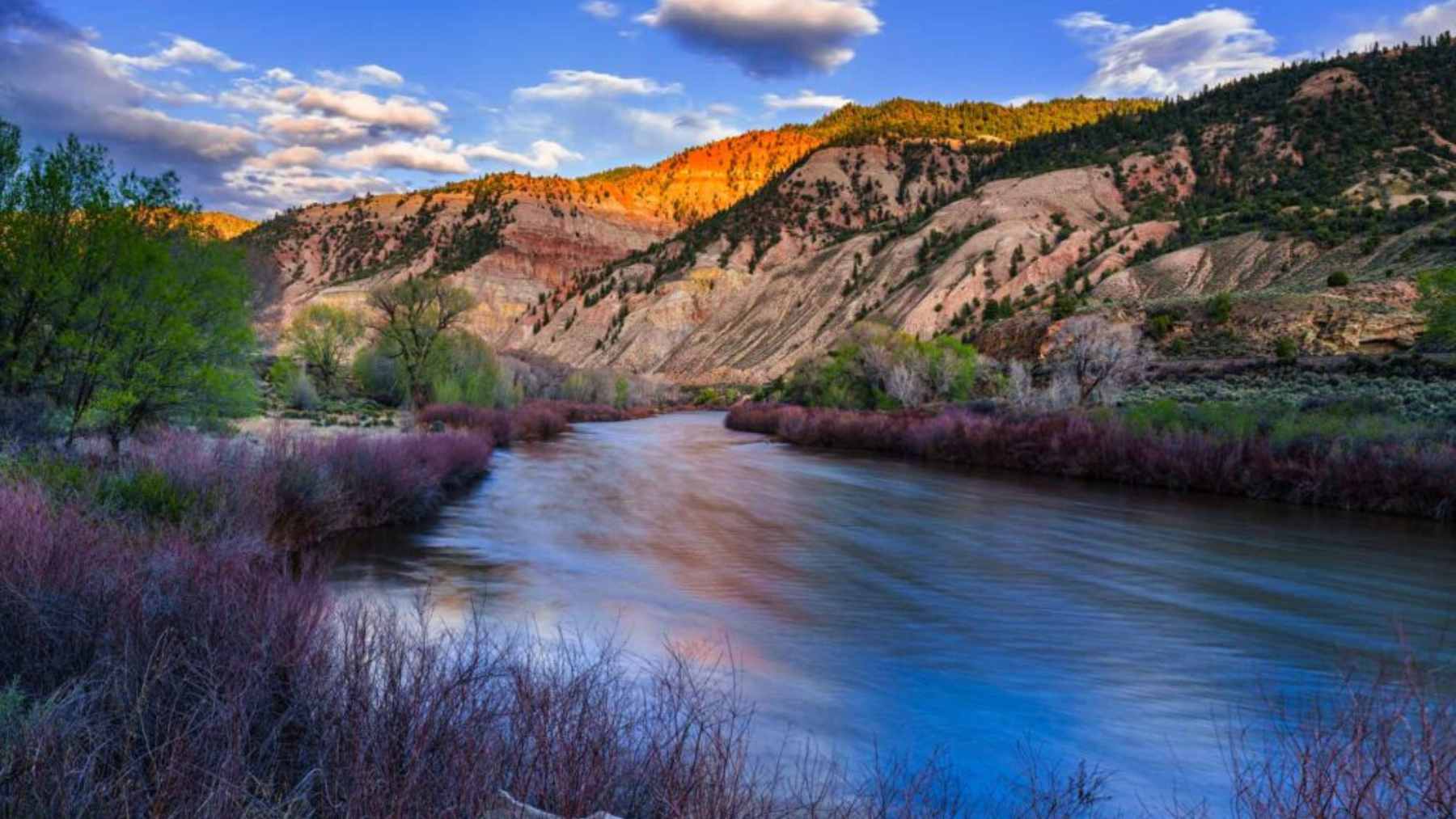
A historically warm winter and record low snowpack have pushed the Upper Colorado River Basin into triage mode. Federal officials now say they intend to move up to about 1 million acre-feet from Flaming Gorge Reservoir toward Lake Powell, because Powell could drop below the level needed to generate hydropower as soon as August 2026.
It sounds like a behind-the-scenes reservoir adjustment, but it can hit daily life fast. What happens when the river system starts acting like a savings account you keep tapping to pay the bills? Think water restrictions for towns, uncertainty for local industries, and even health warnings at the boat ramp when heat and low water help toxic blooms spread.
A big release from Flaming Gorge
The Bureau of Reclamation says Colorado River system storage is about 36% of capacity, and that this year’s runoff outlook is being dragged down further by record March heat. Lake Powell’s minimum probable inflow is forecast at 2.78 million acre-feet, about 29% of the historical average, which the agency says points to “the need for immediate action.”
To stabilize Powell, Reclamation plans to use the 2019 Drought Response Operations Agreement, which coordinates upstream releases in the Upper Basin.
Its initial plan calls for releasing 660,000 acre-feet to 1 million acre-feet from Flaming Gorge from April 2026 through April 2027, while also cutting Lake Powell’s releases to Lake Mead by 1.48 million acre-feet through September 2026.
Water rights and local economies
Wyoming’s governor Mark Gordon and other Upper Basin governors have warned that diminished runoff can trigger mandatory cuts to water rights that date back to the 1800s. That is the prior appropriation system in action, where senior rights are served first and junior rights can be curtailed without compensation.
Wyoming’s state engineer put it plainly: “there won’t be enough water to satisfy existing water rights,” he told WyoFile, adding that many streams may only have enough for the most senior rights, some dating to the 1880s.
Heat brings toxic blooms
Lower water levels and hotter summers can also squeeze water quality. Flaming Gorge has seen harmful cyanobacteria bloom advisories in recent years, including an advisory issued in August 2022 that covered parts of the reservoir.
Wyoming agencies issued another Flaming Gorge bloom advisory in August 2025, warning residents and visitors to avoid contact near dense scums and to keep pets and livestock away. For a marina owner or a fishing guide, that is not just an environmental issue, it is a business risk that can turn a weekend crowd into cancellations.
Power, pumping, and the business bill
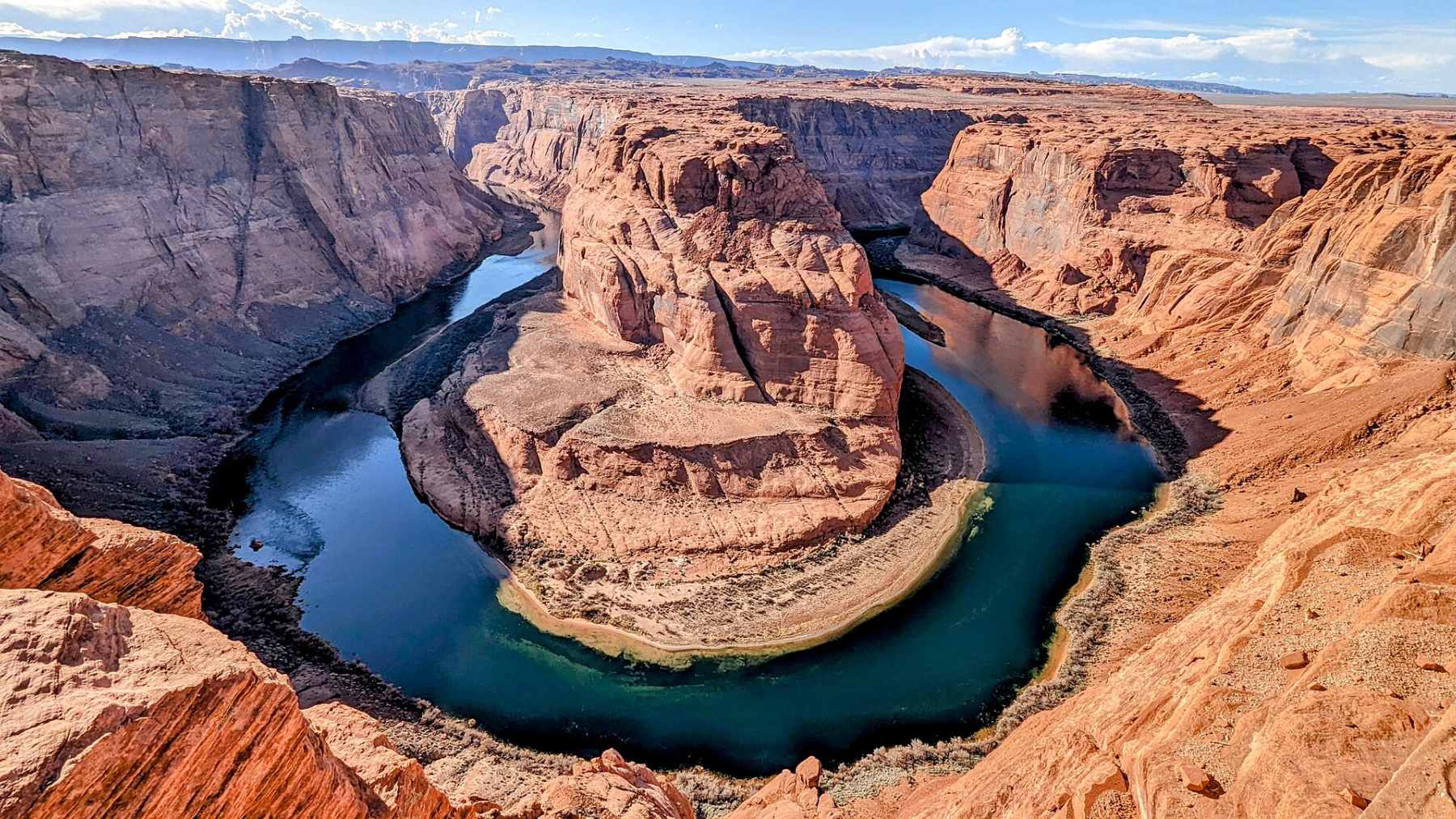
Reclamation’s biggest near-term fear is Lake Powell falling below elevation 3,490 feet, the minimum power pool for Glen Canyon Dam. Officials warn that crossing that line would change how water is released and reduce power generation, creating instability for regional power and water supplies.
The tradeoff shows up downstream, too. Reclamation says reduced releases from Powell could mean up to an additional 40% reduction to Hoover Dam’s hydropower generating capacity as early as this fall, which can push utilities toward other power sources that are often more expensive.
That is the kind of shift that can quietly raise the electric bill, especially during hot summer months.
When surface water tightens, pumping usually increases, and the groundwater tab can be enormous. NASA Earthdata reports that GRACE and GRACE Follow-On satellite data indicate the basin’s aquifers have lost about 8 cubic miles of groundwater since 2002, a long-term drawdown that is hard to reverse.
Defense and tech in the same fight
Water scarcity is also a readiness issue, even if it rarely makes the headline. A GAO review notes that DoD has identified active duty installations at risk of water scarcity, and it emphasizes that installations rely on water for training, weapons testing, fire suppression, and sanitation.
On the tech side, measurement is getting sharper, which can change how disputes play out. OpenET provides satellite-based evapotranspiration estimates meant to help quantify consumptive water use, while EPA says advanced metering infrastructure lets utilities collect frequent, remote water use data and detect leaks faster.
Better data will not fix a dry winter, but it can make decisions less guesswork-driven and more accountable. Reclamation says the basin is also racing a policy deadline since current operating agreements are set to expire at the end of 2026, and federal officials say they may have to set post-2026 operations later this summer if states cannot agree.
The press release was published on Bureau of Reclamation.