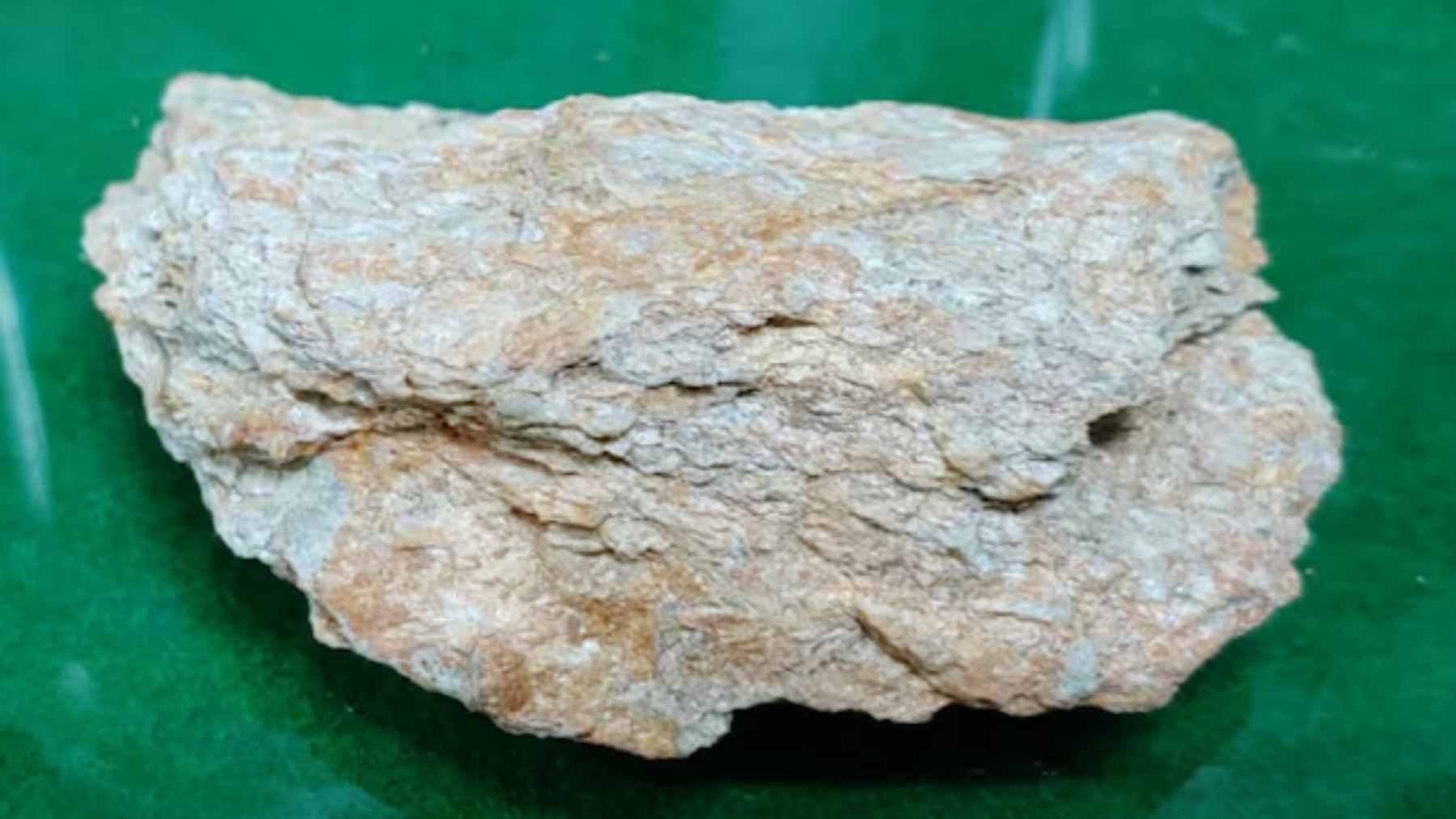
If you follow “critical minerals,” you might expect the next big resource story to be about lithium, cobalt, or rare earths. Instead, Yeongdong County in South Korea says a new geological survey has confirmed an estimated 104.5 million tons of illite, a clay mineral officials want to turn into high-value environmental and industrial products.
That sounds like a mining headline, but it is also an ecology test. Can this deposit become a real tool for cleaner water and safer soil, or will it just add another extraction footprint to the map?
A clay with a cleanup job
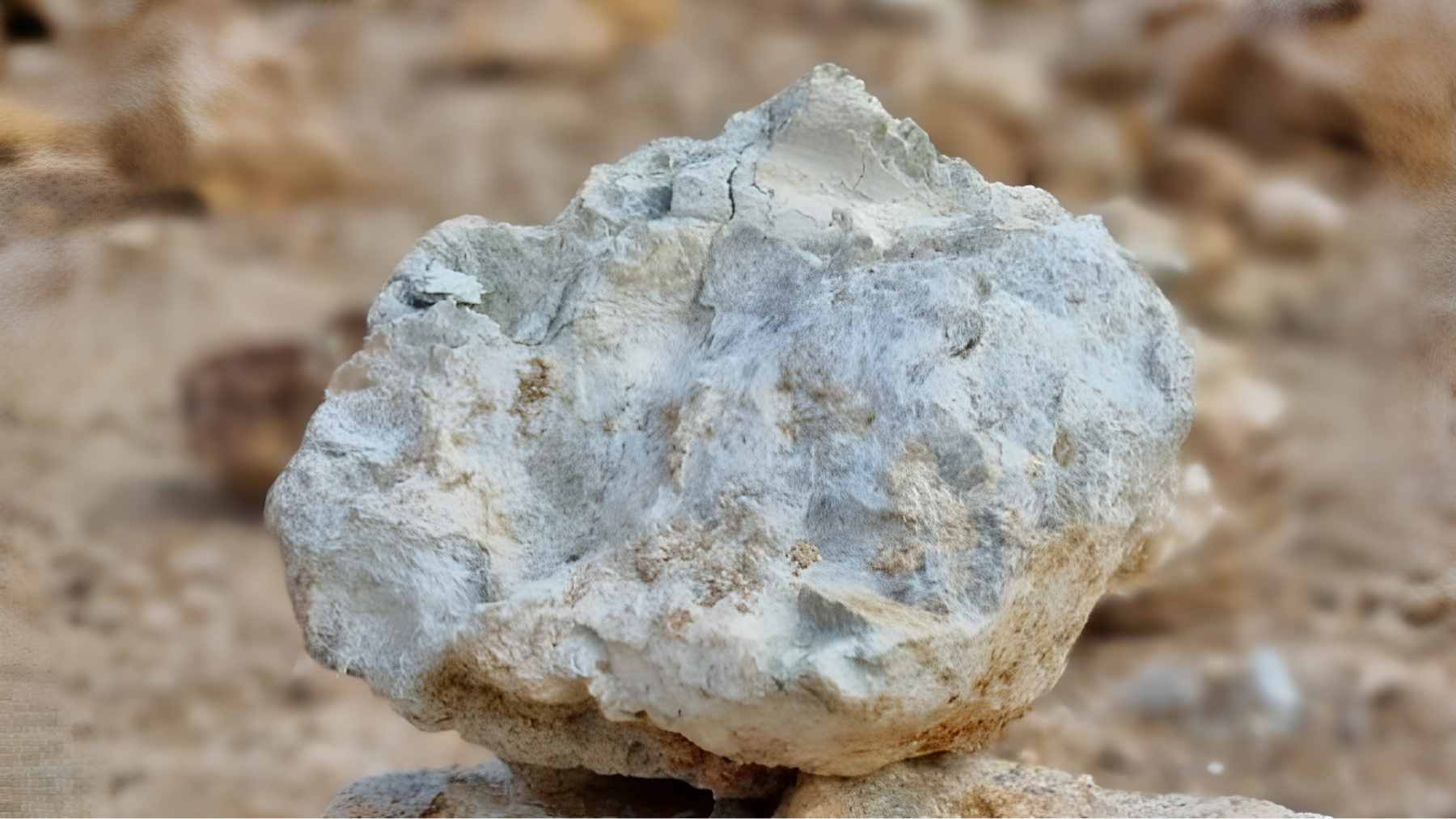
Illite is not a rare earth element, and it is not especially exotic in a geological sense. The US Geological Survey describes illite as a group of non-expanding, clay-sized, mica-like minerals that are structurally similar to muscovite.
So why do scientists keep studying it? Research reviews show clay minerals can bind heavy metals and help remove them from water and contaminated soils through adsorption and related processes. In plain language, that is the difference between “treated” wastewater and the kind of rusty, metallic runoff nobody wants near a playground or a fishing spot.
What the survey says
In an official statement dated April 21, 2026, Yeongdong County said it worked with the Korea Institute of Geoscience and Mineral Resources on a two-year project running from 2024 to 2026. It described a mix of detailed field work, drilling, geophysical surveys, and 3D geological modeling, including 28 boreholes to map the deposit.
The county also highlighted quality indicators, not just size. It said about 67.7% of the estimated reserve sits in a 40% to 45% grade range, and reported up to 98% illite content in the fine particle fraction, with the deposit spread along a 500 to 600-meter shear zone tied to the Yeongdong Fault.
A business plan built on standards
Yeongdong has been positioning illite as a regional industry for years. Yonhap reported that the county secured mining rights for 15 mining districts covering about 2,030 hectares in 2017, and it has already used illite in products such as cosmetics, fertilizer, construction materials, and animal feed.
Now, the county wants to make the supply chain look more like “materials tech” than “raw dirt.”
Yonhap reported it invested 23 billion won ($15.6 million) to build an “Illite Knowledge Industry Center” in the Yeongdong industrial complex and has been contacting the Clay Minerals Society in the United States about registering international standard samples.
Tech will decide whether this is green
For environmental uses, consistency is everything. A clay that works brilliantly in a lab can disappoint in the field if grain size, purity, or trace contaminants vary from batch to batch, which is why standardization and certification are not just bureaucracy.
Scaling is another hurdle, and it is easy to miss in the excitement. A report cited by Hankyoreh said local illite mining and production totaled about 2,000 tons in 2024 and 665 tons in 2025, which puts today’s output in perspective next to a 104.5-million-ton estimate.
The environmental tradeoff is not optional
Mining does not become “green” just because the end product has a climate-friendly use. It still brings land disturbance, dust, truck traffic, and energy-hungry processing, and locals feel those impacts first.
The practical question is whether the benefits outweigh the costs over the full life cycle.
Watch for transparent environmental impact reviews, clear reclamation plans, and public data showing where the material goes and what it replaces, because “cleanup mineral” is only meaningful if cleanup actually happens.
The quiet defense angle
There is also a dual-use logic hiding in the background. Heavy metal contamination is a cleanup problem for industrial sites, and in many countries, for legacy military ranges and training areas, where reliable field treatment of water and soil can matter as much as fuel and spare parts.
Yeongdong County says this survey confirms a “strategic mineral resource” that could anchor a global illite industry, but the next chapter will be written by standards, oversight, and measurable environmental results, not slogans.
The official statement was published on Yeongdong County’s “Open Mayor’s Office” site.