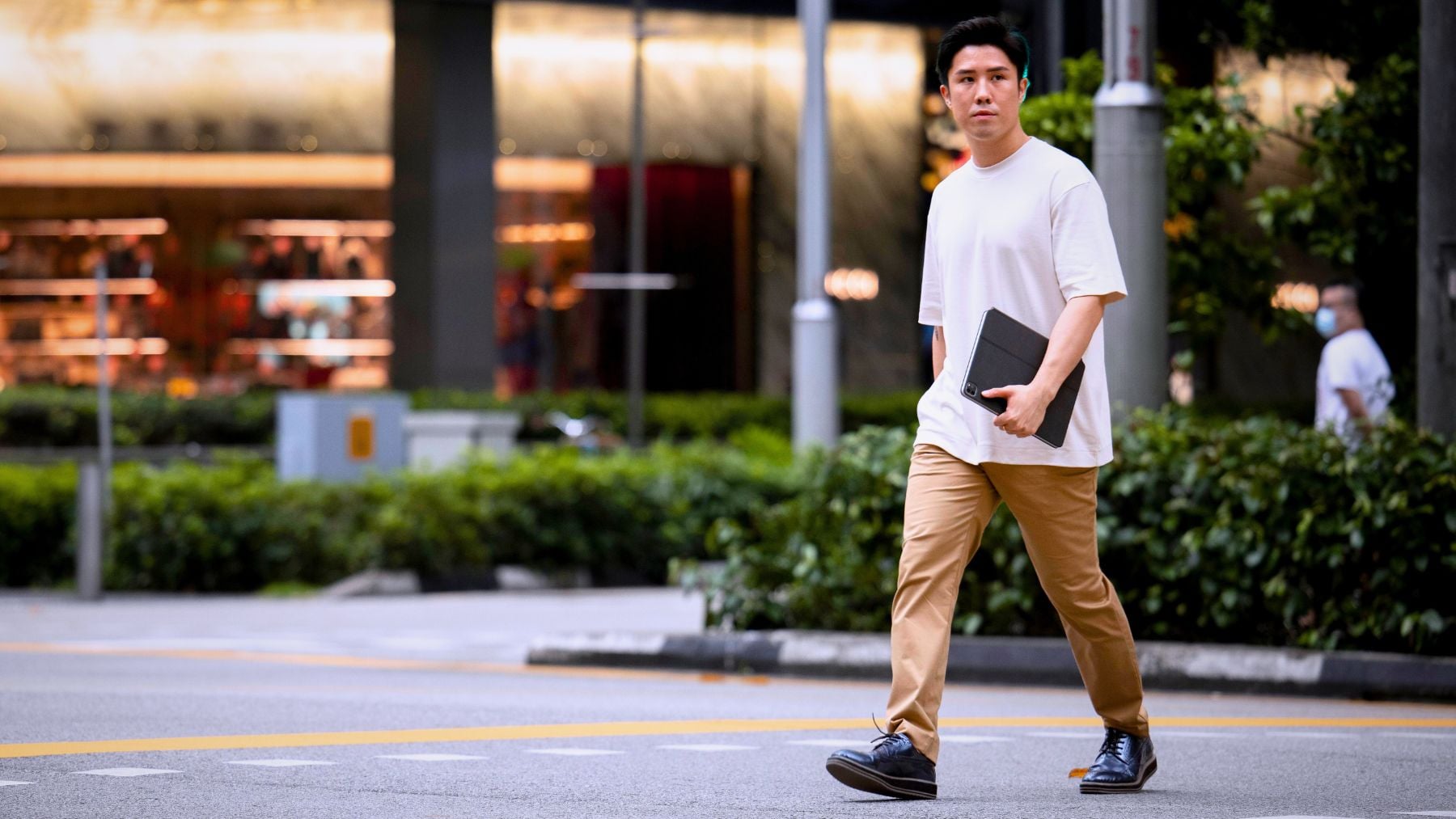
You are walking down the street, perhaps on your way home or to a local store, when you notice someone approaching on the same sidewalk. Instinctively, you move to the opposite side. This familiar action is not a random whim; rather, it’s a brain process to keep you safe and comfortable.
Crossing the street to avoid another person is a common behavior with psychological roots. It involves immediate evaluations of risk, personal boundaries, and social comfort. In the following sections, we’ll explore why our minds steer us away from potential encounters, examining factors such as perceived threat, instinctive intuition, social anxiety, and evolutionary survival mechanisms.
Understanding why we cross the street
Every day, we make countless minor decisions as we navigate public spaces. The act of crossing the street to sidestep another person is a deliberate and self-protective maneuver. Here are some of the possible reasons behind it.
Assessing potential threat
When an approaching person appears unpredictable or intimidating or exhibits unusual behavior, such as intense staring, erratic movement, shouting, or physically blocking your path, your internal alarm is triggered.
An empty street, nighttime conditions, or a feeling of physical vulnerability can further intensify your sense of risk. By crossing the street, you increase the physical distance between you and the potential threat, lowering the likelihood of confrontation or harm.
Heeding subtle signals
Sometimes, you experience an inexplicable feeling of unease. You might not be able to articulate why, but something seems “off” about the person coming your way. This intuitive response involves your brain rapidly processing subtle cues from nonverbal communication, including body language, facial expressions, pace, and micro-expressions.
Avoiding unwanted contact
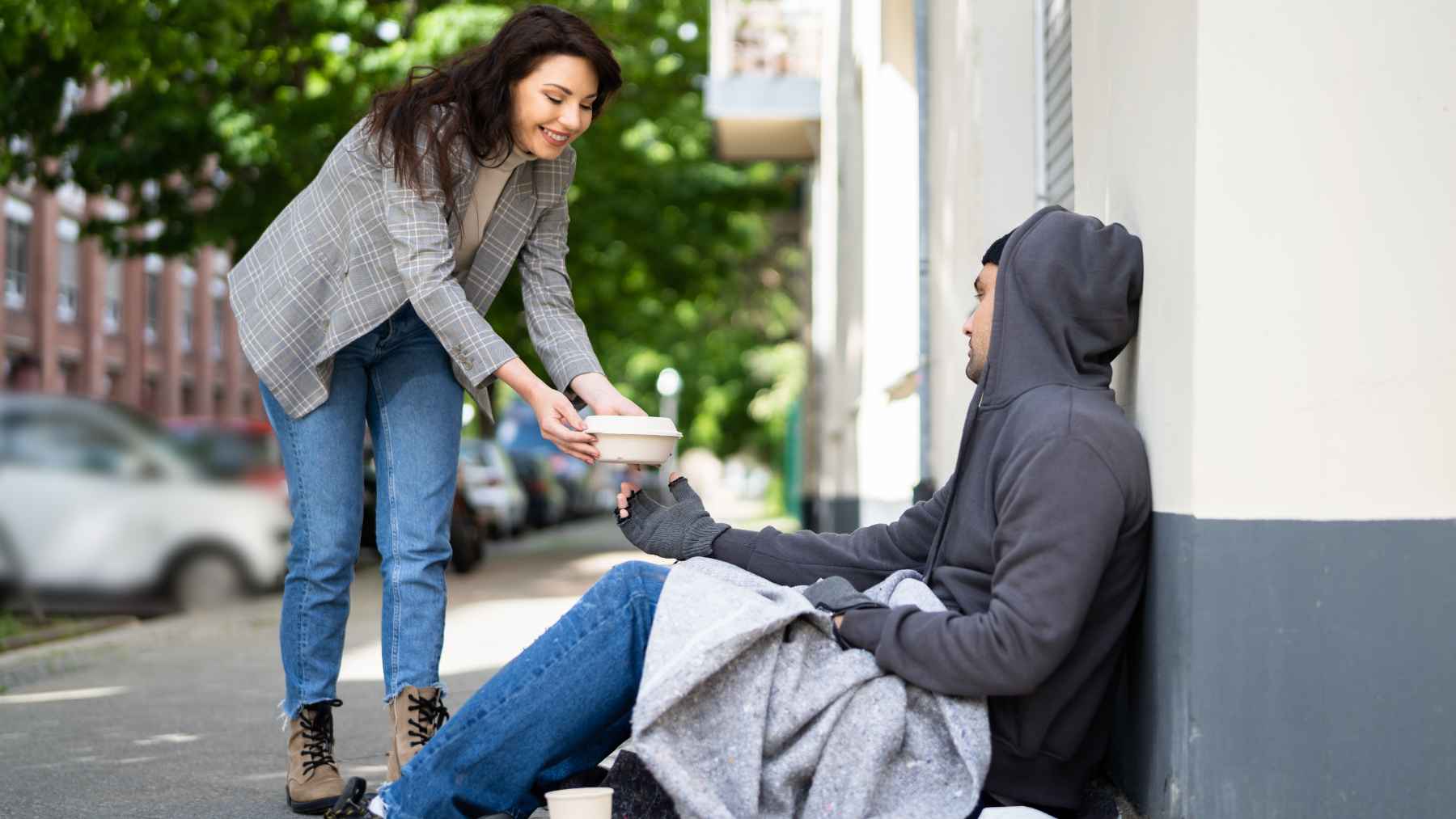
Often, the decision to alter your course is rooted purely in social motivations. You may choose to avoid interaction if you recognize the person as someone likely to solicit money, sell a product, or engage you in unsolicited conversation.
Whether it’s a persistent canvasser or even an acquaintance whom you prefer not to engage with at that moment, crossing the street serves as a clear signal of disinterest. In this situation, the gesture conserves your time and energy while maintaining your personal space.
Managing social discomfort
For those who experience social anxiety, even a semi-populated street can trigger stress. The mere thought of narrowly passing someone, making accidental eye contact, or having personal space invaded can escalate anxiety levels. In these scenarios, crossing the street becomes an effective coping mechanism. By creating a buffer zone, you reduce the potential intensity of social interaction and alleviate the accompanying stress.
An old instinct in a modern world
In our ancestral past, avoiding potential threats—from predators in the wild to hostile strangers—was essential for survival. Today, crossing the street is a modern equivalent of that ancient survival mechanism. It’s a low-cost detour that can help you sidestep a high-cost encounter, whether dangerous or unpleasant. Our brains remain primed to favor the safer course, reflecting long-standing evolutionary adaptations.
Choosing to cross the street to avoid another person is not an act of prejudice or rudeness. It’s a practical, often instinctive strategy that balances our innate desire for safety with the realities of navigating shared spaces. In that moment, your psychology prioritizes comfort, security, and emotional well-being.