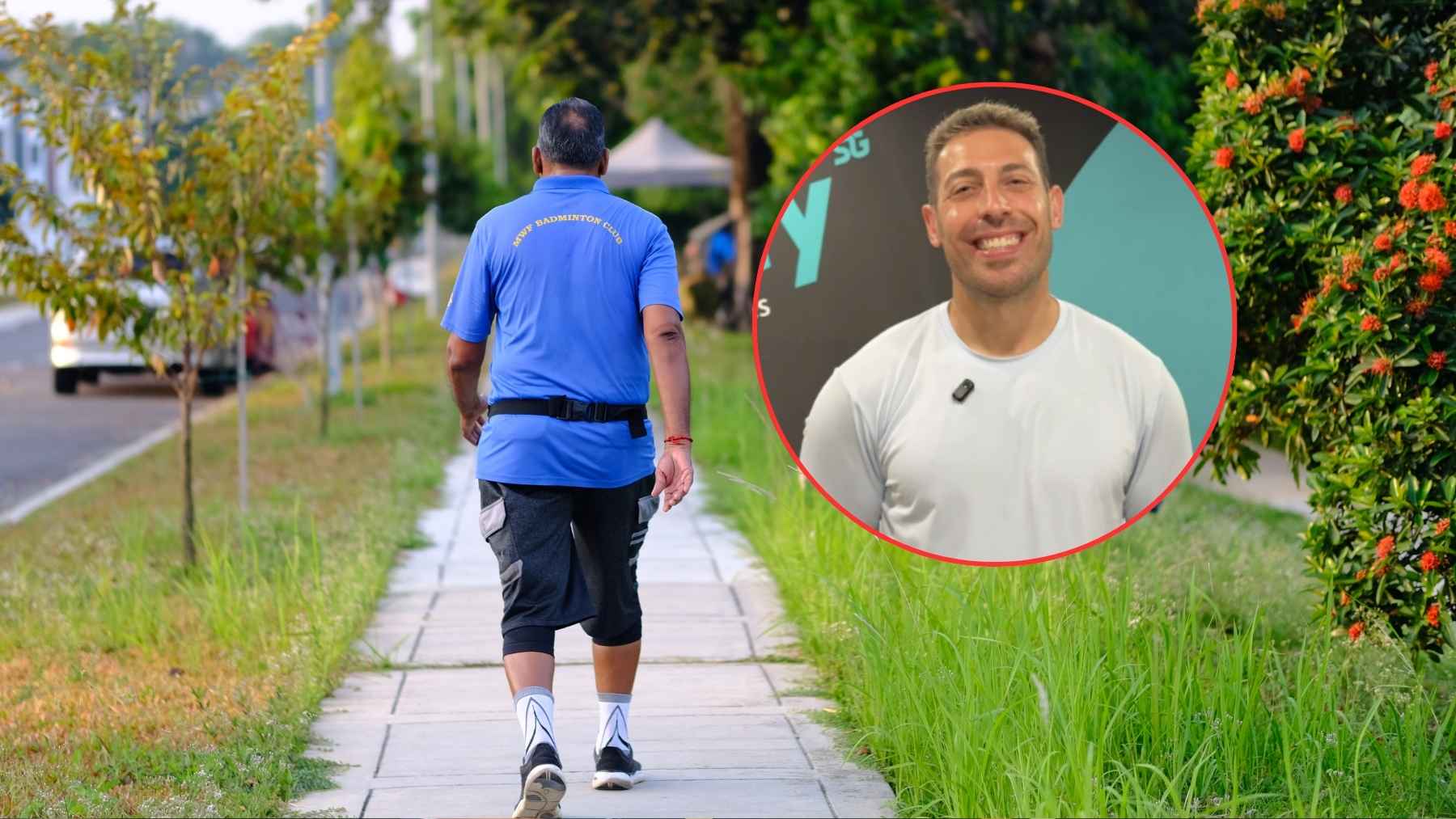
Every day, we see people with their heads down, scrolling on their phones. It might seem normal in our tech-driven world, but psychology shows that this habit can mess with your body and mind. Besides checking messages, you’re also changing how you move and how you feel.
In busy US cities like New York or Los Angeles, sidewalks are packed with distracted walkers. The simple act of glancing at your phone can slow you down, alter your posture, and even raise your stress levels. This can make everyday walks less enjoyable and even more dangerous. Let’s explore what research tells us.
What’s behind walking while looking at your phone?
When you’re glued to your phone while walking, you’re trying to do two things at once: moving and catching up on texts or social feeds. This might show that you’re a modern multitasker who wants to stay updated at all times. However, the brain isn’t built for juggling tasks this way.
Your divided attention implies that you’re not fully present in the moment, so you miss the little details around you, and your natural rhythm gets thrown off. This habit may seem like a harmless way to save time, but it hints at a constant need for stimulation.
In a world that prizes speed and connectivity, your reliance on your phone could be telling you that you feel pressure to always be “on”. It’s a sign that you might be sacrificing quality of life for the sake of staying in the loop.
The hidden dangers of distracted walking
Using your phone on the go might feel efficient, but it comes with many downsides. Instead of moving naturally, your gait changes and your posture suffers. Even your mood takes a hit because you’re not fully enjoying the world around you. Here are some of the key negatives of walking while looking at your phone:
- Slower gait: You tend to walk about 10% slower when you’re busy texting or scrolling.
- Poor posture: Hunching over your device puts extra pressure on your neck and back.
- Reduced awareness: Your attention drifts from the environment, making you more likely to miss obstacles or hazards.
- Increased stress: Multitasking while walking can spike your stress hormones, leaving you feeling on edge.
- Higher risk of injury: You’re more likely to trip, bump into things, or even fall.
These downsides aren’t just inconveniences, they can have real effects on your health. Walking while distracted by your phone slows your pace, throws off your balance, and sours your mood. It’s a habit that shows you’re trying to juggle too much at once.
Next time you head out, try putting your phone away for a few moments. Enjoy the fresh air, take in your surroundings, and give your body the chance to move naturally. It’s a simple step that could lead to better physical health and a happier mood, as well as serving as a moment to take a break from screens.