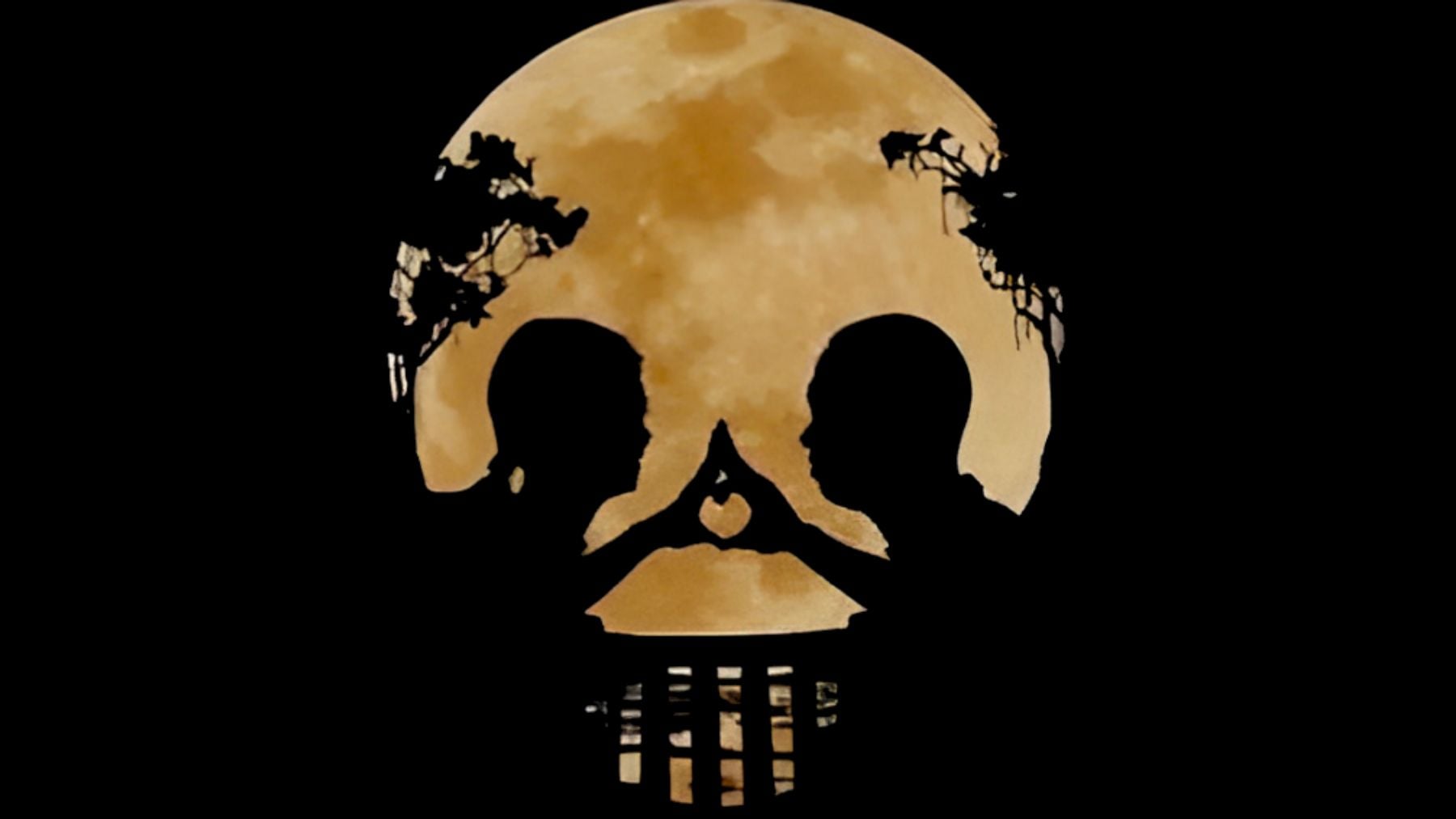
This visual test, similar to this triangle challenge, may unveil unexpected clues about your decision-making blind spots. This well-circulated image suggests that the element capturing your attention initially may mirror subconscious tendencies that influence your decisions.
Here, we’ll examine this personality test in detail and delve into what your very first impression might reveal about your approach to choices. Keep in mind, this is a playful exploration intended solely for self-reflection rather than a scientific evaluation or formal diagnosis. Let’s begin.
Visual test: What grabbed your attention first?
Take a look at the image above without overanalyzing it. Notice which element or shape immediately captured your attention. Now, read the description of that shape below to get your interpretation.
If you saw the skull first
Identifying the skull immediately indicates a predisposition to prioritize potential threats or negative outcomes. This heightened sensitivity to danger once served our ancestors well. However, in modern life, it may lead to excessively cautious or pessimistic decisions. You might steer clear of risks, even those promising significant benefits, as the potential drawbacks overwhelmingly dominate your perspective.
This focus can cause you to overlook opportunities or revert to the “safest” choice, which isn’t always the optimal path for personal growth or happiness. Poor decisions may arise when fear overshadows a balanced evaluation of potential rewards and risks, even though this can help you detect hazards.
If you saw the moon first
Noticing the moon as your initial focus suggests a naturally optimistic outlook. You tend to emphasize possibilities, opportunities, and the positive aspects of situations. This bright perspective fuels ambition and creative thinking, yet it may also lead to underestimating challenges or neglecting practical considerations.
Decisions driven mainly by excitement for the potential upside might minimize risks or bypass the necessary steps for sound planning—something like the “rose-colored glasses” effect, whereby an overly positive vision eclipses real obstacles. You may enthusiastically embark on ventures, only to encounter difficulties when follow-through is lacking.
If you saw the couple first
Observing the couple initially implies that your decisions are significantly influenced by relationships, emotions, and social dynamics. You value interpersonal harmony, prioritize the feelings of those around you, and are sensitive to social context. While this empathetic orientation fosters compassion and strong social bonds, it may also lead you to consistently favor the wishes of others over your own interests.
You might avoid conflict at all costs, struggle with assertiveness, or choose options aimed more at pleasing loved ones than at achieving your personal goals. Consequently, suboptimal decisions may result, such as agreeing to unwanted circumstances, neglecting your well-being, or remaining in draining situations simply to preserve valuable connections.
More about this visual test
Whether you concentrate on potential threats, envision expansive opportunities, or focus on interpersonal connections, recognizing your initial bias empowers you to pause and ask, “Am I seeing the whole picture?” before committing to significant choices. This deliberate moment of reflection compels you to weigh every opportunity and risk, ensuring that you make well-rounded and informed choices.