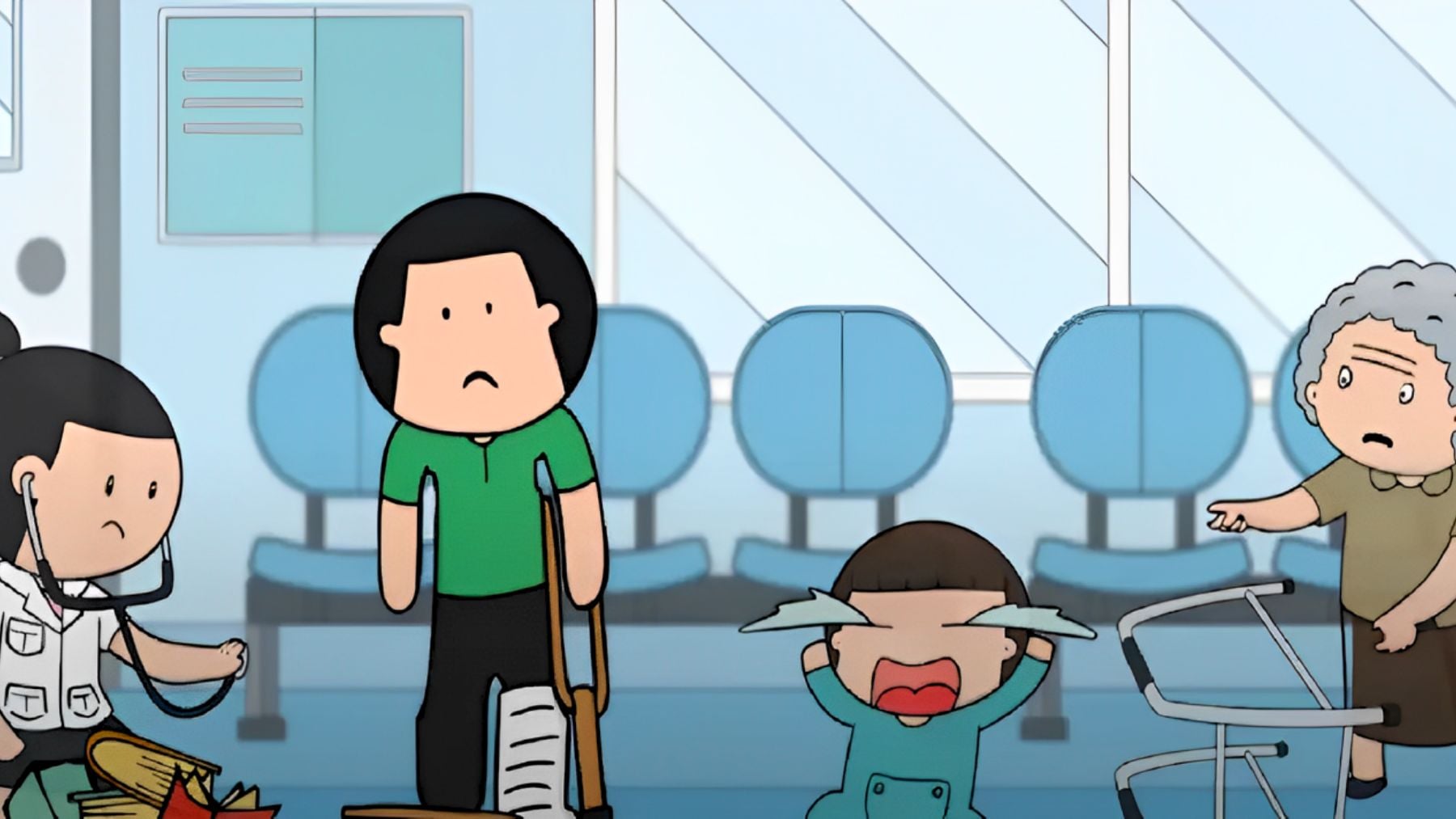
This fun test explores how your immediate reaction in a tricky situation can speak volumes about your character. The idea is simple: the person you decide to help first might hint at whether you are practical, empathetic, or guided by strong principles. Remember, this is all just for fun.
Examine the image above featuring four individuals—a nurse, a handicapped man, a crying child, and an old woman—and select the one you would help first. We’ll break down what each of these choices might say about your values and style, so you can see where your instincts lean more toward.
Personality test: Who would you help first?
The answer to this question will vary for each person and it can reflect your core values in unexpected ways. Let’s explore each option and the personality traits they suggest.
If you help the nurse
Choosing the nurse first shows that you are practical and solution-focused. You don’t waste time overthinking details; you get right to the point and seek a quick fix. Your clear-headed approach demonstrates that you value efficiency and are prepared to analyze issues and implement a plan swiftly. With a knack for identifying what needs to be fixed, your calm demeanor helps others feel supported without unnecessary drama. In everyday life, you might be the go-to person at work or in your community when quick decisions are needed.
If you help the handicapped man
If your first instinct is to help the handicapped man, you likely possess strong leadership qualities. This choice indicates that you are unafraid to step up when needed, trusting your gut and embracing risks even in uncertain situations. You set clear goals and stick to them, and your decision to help reflects a high value on independence and determination. You are also very observant, spotting opportunities that others might overlook. This approach is common among community leaders and managers who guide their teams through challenging times.
If you help the crying child
Helping the crying child first suggests that you have a deep, empathetic side. You value emotional connections and are not hesitant to show compassion. Your instinct to comfort a child demonstrates that you are nurturing and ready to be a support for those in distress. It may also hint at unresolved feelings from your past, making you especially sensitive to the needs of others. This quality is often found in those who work in family care or social services, where empathy and understanding are essential.
If you help the old woman
Choosing to help the old woman first signals a strong sense of respect and unwavering principles. You value tradition and take pride in honoring those who have paved the way before you. Your decision reflects inner strength and a deep commitment to fairness, as you believe everyone deserves kindness and dignity regardless of their age.
This choice implies that you are emotionally mature and steadfast in your views; you stand by your beliefs and expect others to do the same. People who select this option are often seen as reliable figures in their communities, offering guidance and wisdom in times of need.