Many retirees try dancing, writing, or reading clubs to sustain mental acuity after 60, but there’s a quieter contender that excels in this arena. Often enjoyed in community centers and parks, the game of dominoes delivers several cognitive benefits for seniors. Although its rules appear simple, it offers a rigorous exercise for focus, memory, and strategic thinking.
Here, we’ll cover how this game enhances brain function and examine other engaging pastimes that support cognitive health and well-being during the retirement years. Let’s get to it.
Dominoes: a hobby for retirees to improve focus
Every round of domino calls for continuous concentration. Players must track which tiles have appeared, anticipate opponents’ moves, and plan several strategies ahead. This actively trains working memory and fortifies concentration, vital cognitive areas that benefit from consistent exercise well into later life.
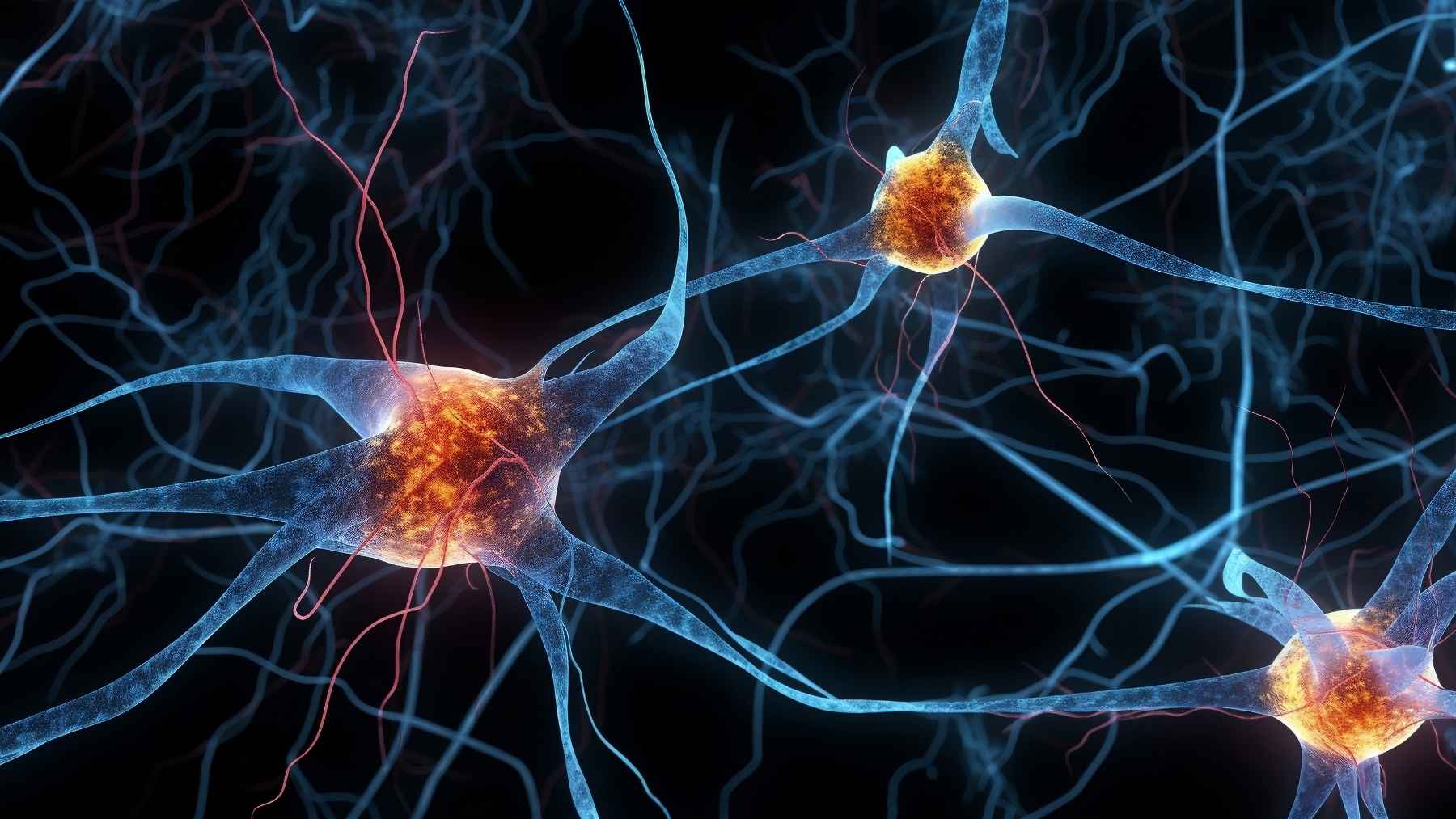
The game challenges the mind to process complex information quickly, sharpening pattern recognition and strategic decision-making skills. Beyond simple tile matching, it integrates dynamic problem-solving with sustained focus, fostering neural connections that enhance logical reasoning and mental endurance.
Other games for mental fitness after 60
While dominoes stands out, incorporating a diverse selection of games can enrich cognitive exercise for seniors. Here is an overview of some strong alternatives and the specific cognitive skills they train:
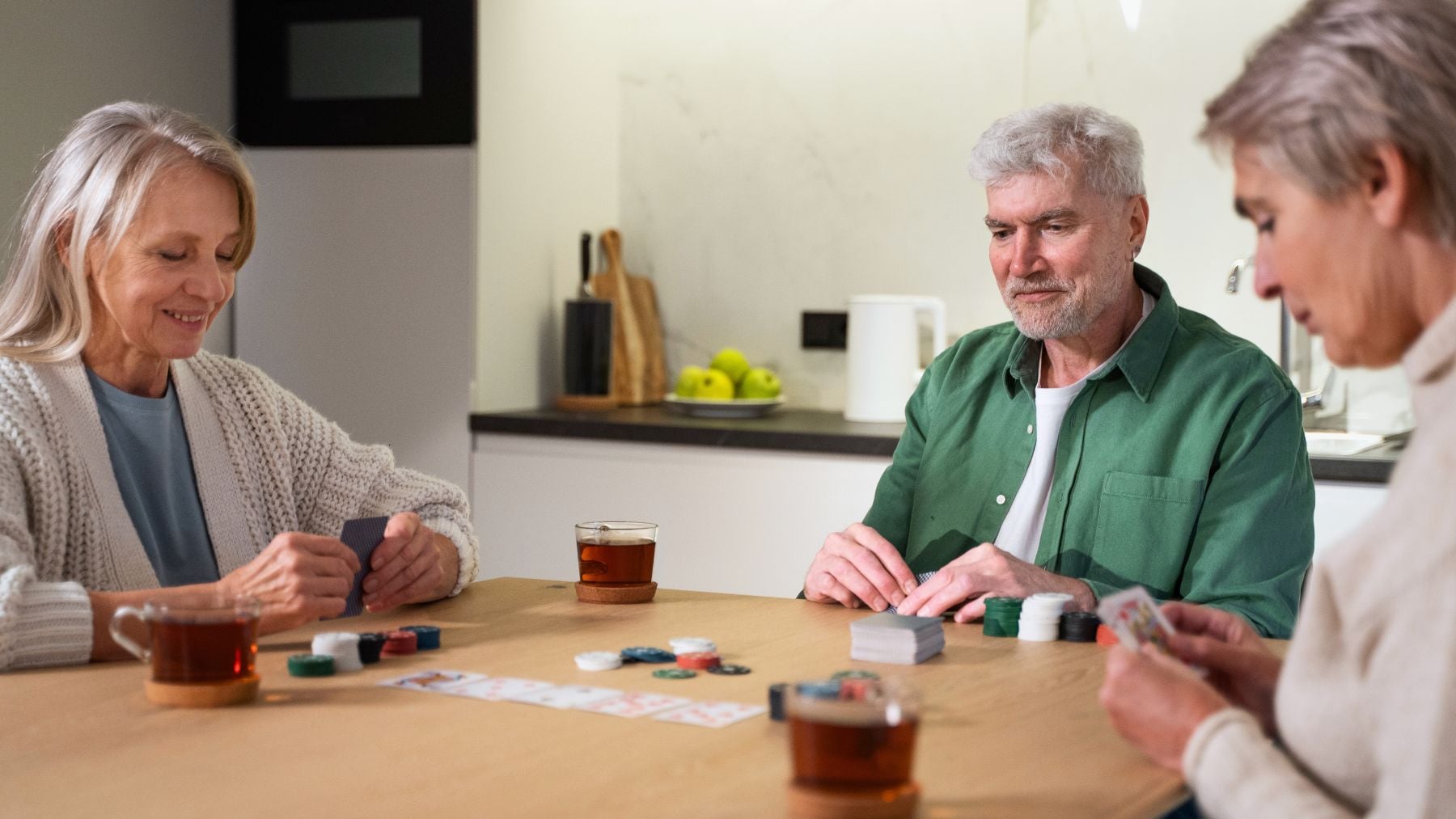
- Playing cards: Timeless classics such as poker, gin rummy, or hearts call for the retention of complex rules, monitoring of played cards, precise calculation of odds, and the constant adaptation of strategies. They bolster memory retention, expedite rapid decision-making, and refine logical reasoning skills.
- Tangram: This ancient Chinese puzzle challenges players by combining seven geometric shapes to create designated figures. It excels at strengthening visual reasoning, refining creative problem-solving capabilities, and cultivating patience. The process of fitting pieces together also enhances perception and hand-eye coordination.
- Sudoku: Completing numerical grids based on logical principles provides an excellent workout for concentration and deductive reasoning. It sharpens pattern recognition, sequential thought processes, and is particularly beneficial for those seeking methodical, focused cognitive training.
- Word searches: Searching for concealed words within a letter grid stimulates thorough visual scanning and promotes vocabulary recall. The satisfaction derived from uncovering hidden words triggers endorphins, enhancing your mood.
- Crossword puzzles: Solving crossword puzzles engages verbal skills and a broad base of knowledge. By interpreting clues and filling in interconnected words, you enhance your vocabulary and improve memory recall.
- Jigsaw puzzles: These require detailed visual analysis and spatial reasoning. The process of identifying patterns, assembling matching segments, and constructing a coherent image sharpens focus and attention.
- Brain teasers: Engaging with brain teasers—such as riddles, logic puzzles, and lateral thinking challenges—invigorates cognitive flexibility and encourages thinking outside the box.
For retirees, it’s usually recommended to choose the games that offer mental exercise as well as social interaction. Dominoes, for instance, combines the intense concentration required for strategy with face-to-face engagement. By challenging your mind while fostering a sense of community, you’ll not only refine your cognitive skills but also enrich your social life and your overall mental well-being.