You often hear chess or Sudoku recommended as good options for maintaining an agile mind. These games offer considerable benefits, but if improved recall is your main objective, there is a simpler and more accessible activity that delivers extra impact without complex rules or high-pressure strategies: matching games.
Here, we’ll explore the importance of short-term memory and its role in age-related cognitive changes. We’ll pinpoint how matching games can contribute to this and examine a variety of other stimulating games to promote cognitive health after 60. Let’s get started.
Matching games: The best hobby for short-term memory
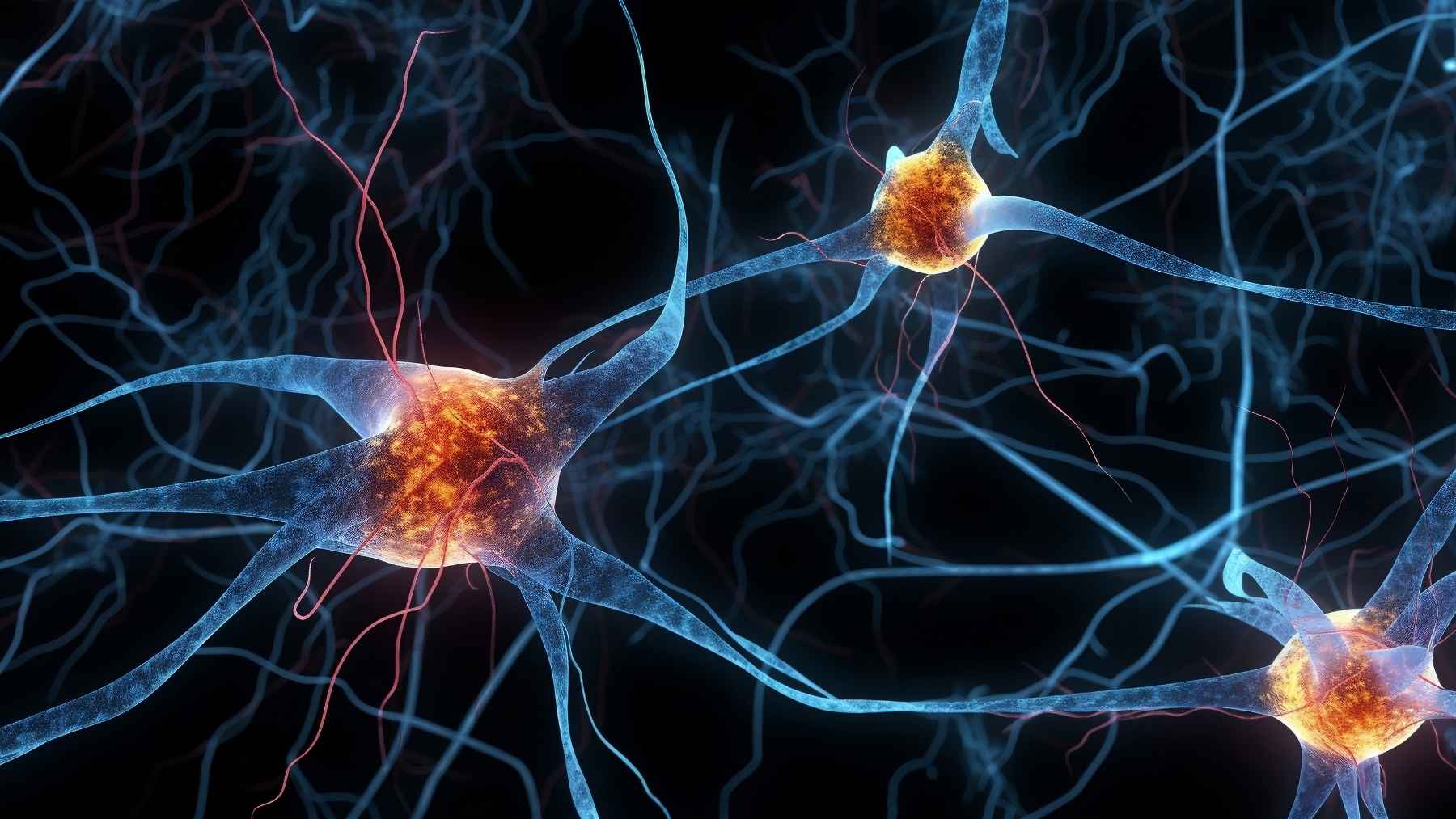
You may be familiar with these games: cards are arranged face down, and players flip two at a time in search of matching pairs. Each round demands that players remember where a specific card was seen moments earlier, even as new positions continuously emerge. This dynamic tracking of visual and spatial cues directly stimulates the core functions of short-term memory while reinforcing neural plasticity.
Every move involves not only recalling card positions but also continuously updating that mental map and strategizing the subsequent play based on fleeting details. This low-pressure exercise operates much like targeted weightlifting for the memory centers. Unlike high-stakes cognitive challenges, matching games provide a relaxed, enjoyable environment to exercise memory without stress.
When played in groups, they foster social engagement, encourage communication, and spark friendly competition. These lively interactions not only nurture cognitive function by reducing isolation but also enhance your emotional well-being.
In addition, matching games can be easily adapted by varying the number of cards or the complexity of the images, making them an inclusive pastime that suits different age groups and cognitive abilities. This versatility offers a delightful opportunity to share quality time and create lasting memories with loved ones, whether they’re children or seniors.
Other options for cognitive fitness after 60
Matching games excel at boosting short-term recall, but incorporating a diverse range of puzzles can provide broader mental stimulation. Here are a few other effective options:
- Crossword puzzles: These timeless challenges are excellent for tapping into long-term vocabulary and comprehensive knowledge. Finding the right word requires accessing stored information and deciphering clues, which actively engages language centers and reasoning abilities. Besides, they foster the learning of new words and cultural references.
- Sudoku: This popular number puzzle revolves around logical deduction and pattern recognition. Completing the grid needs careful reasoning and holding number sequences in mind, resulting in a beneficial workout for both problem-solving skills and aspects of memory.
- Chess: This ancient strategy game involves anticipating an opponent’s moves and visualizing the board’s evolving state. It engages executive function, critical thinking, and spatial reasoning over longer durations.
- Rubik’s Cube: This iconic three-dimensional puzzle tests spatial awareness, strategic planning, and manual dexterity. Solving the cube involves tracking the positions of colored squares and deducing sequences of moves, offering a distinctive exercise in spatial memory and sequencing.
Each of these games offers unique cognitive benefits. When combined with activities such as word searches, brain training apps, and even group puzzle challenges, seniors can craft a comprehensive cognitive fitness regimen. The key is to pursue activities that are enjoyable and sustainable over time.