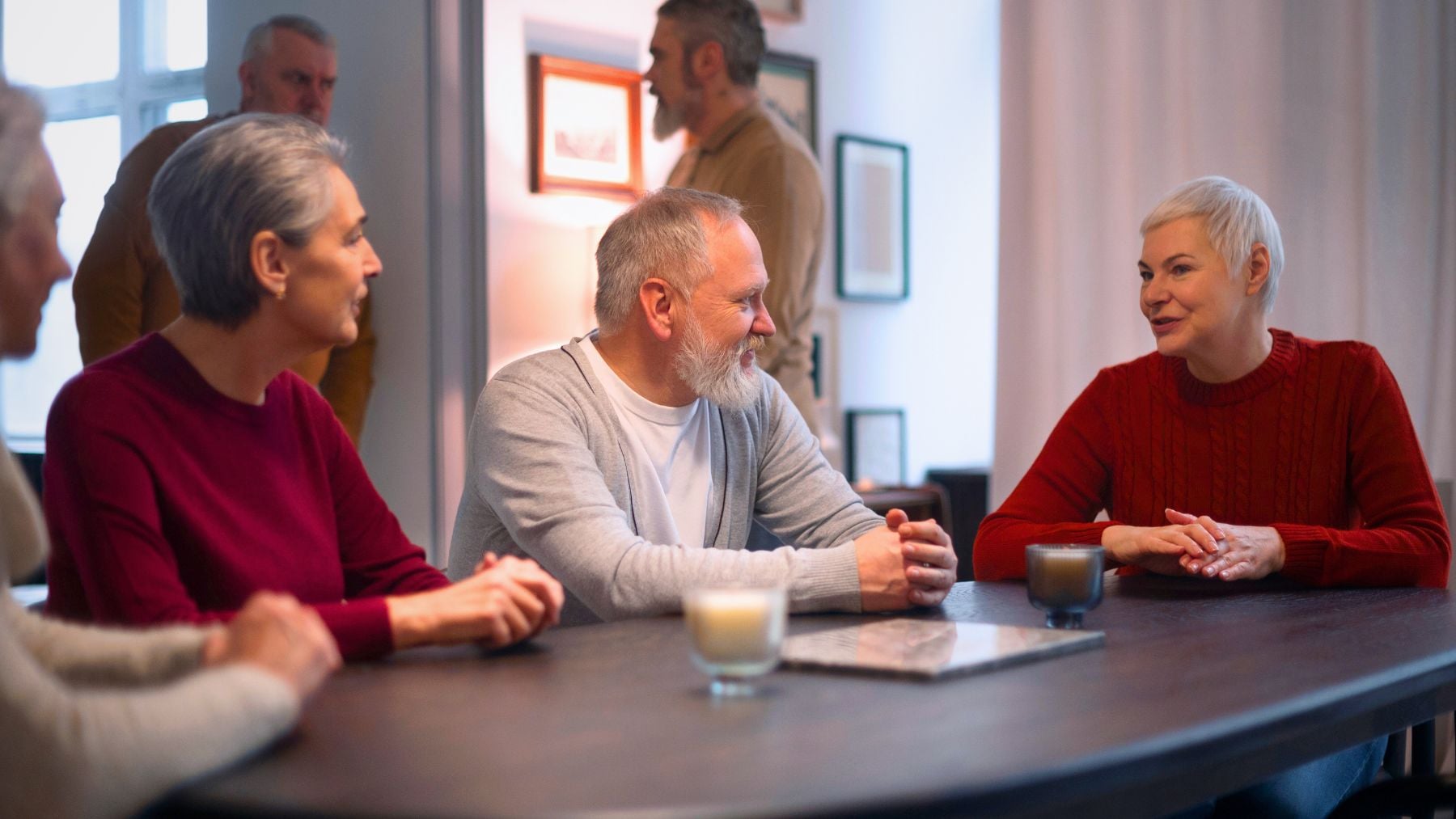
Staying mentally active and socially connected gets harder as we age, but it matters more than ever. If traditional options like bingo or movie nights don’t appeal to you, there’s another way to stay sharp, build friendships, and feel more confident.
We’re talking about debate clubs. These gatherings aren’t just for students or lawyers. Seniors can benefit from structured discussion and friendly competition. Here, we’ll cover what debate clubs for older adults look like and how you can get involved. Let’s get started.
Why debate clubs work so well for seniors
Debate clubs offer something rare: a space to speak, listen, think, and laugh—all at once. Seniors come together to talk through a topic, often one that’s humorous or lighthearted, and make a case for one side or the other. It’s not about winning or being the loudest, but about conversation, curiosity, and staying mentally engaged.
These clubs often start with trigger questions to get the conversation started. From there, teams form, ideas fly, and seniors prepare arguments. Many do their own research, which sometimes means learning to search online or even asking family for help. Some people take on the role of judge instead, which strengthens attention and note-taking skills.
What makes debate clubs special is how they bring people together. It takes a bit of courage to speak up, but the payoff is real: better communication skills, more confidence, sharper thinking, and stronger social ties. Participants can even build friendships as they prepare together. They feel proud sharing what they’ve done with others, and they start looking forward to what topic might come next.
Debate clubs are also great for your cognitive health, as you use memory, logic, and creative thinking. You listen carefully to others, learn to respond thoughtfully, and sometimes argue for a position you don’t agree with, which stretches your thinking even more.
How can seniors get started with this social activity?
If you’re interested in joining a debate club or starting one in your community, it doesn’t take much to get going. Here are a few tips that can help:
- Start small: Gather a few people who enjoy conversation and discussion. You only need a handful to start a meaningful debate.
- Pick simple topics: Start with light subjects that everyone can relate to. Think “Books or TV?” or “Is pineapple on pizza okay?”.
- Set a time limit: Short debates—around 15–30 minutes—keep things engaging and allow enough time for discussion.
- Assign sides: Randomly assigning positions makes it more fun for everyone and helps people explore new viewpoints.
- Encourage teamwork: Give people time to prepare together. This helps build a connection and eases anxiety about speaking.
- Rotate roles: Let people take turns as speakers, judges, or timekeepers to keep things balanced.
Debate clubs don’t need a formal setting, only people willing to talk, listen, and laugh together. Whether you live in a retirement community or just want to start something new with friends, debate is a great way to stay mentally active and socially connected.