Your choice of sleep position might seem like a simple habit, but some experts say it can offer clues about your personality. While these ideas are fun to think about, they’re not set in stone. No rigorous studies prove a strong link between sleep position and personality traits.
Despite this, it’s fascinating to explore what your preferred sleep position might reveal about you. After all, how we sleep is an integral part of our daily lives, and even if the connections to personality are speculative, they add an interesting layer to our self-awareness. In this case, we’ll explore the meaning of sleeping facing down. Let’s get started.
Different sleeping ways and their link to our behavior
Our sleep position can sometimes hint at our behavior and health. For instance, side sleeping may aid digestion and reduce snoring by keeping airways open, making it a popular choice for many. Back sleeping can be beneficial as well, promoting spine alignment and reducing acid reflux. However, it might worsen sleep apnea due to airway obstruction.
Then there’s stomach sleeping, which is less common but intriguing, as it can place strain on the neck and spine, potentially leading to discomfort. Some suggest our favorite sleep position could be linked to traits like anxiety, impulsivity, and rigidity. However, these findings are more observational than scientifically proven.
What sleeping face down says about you
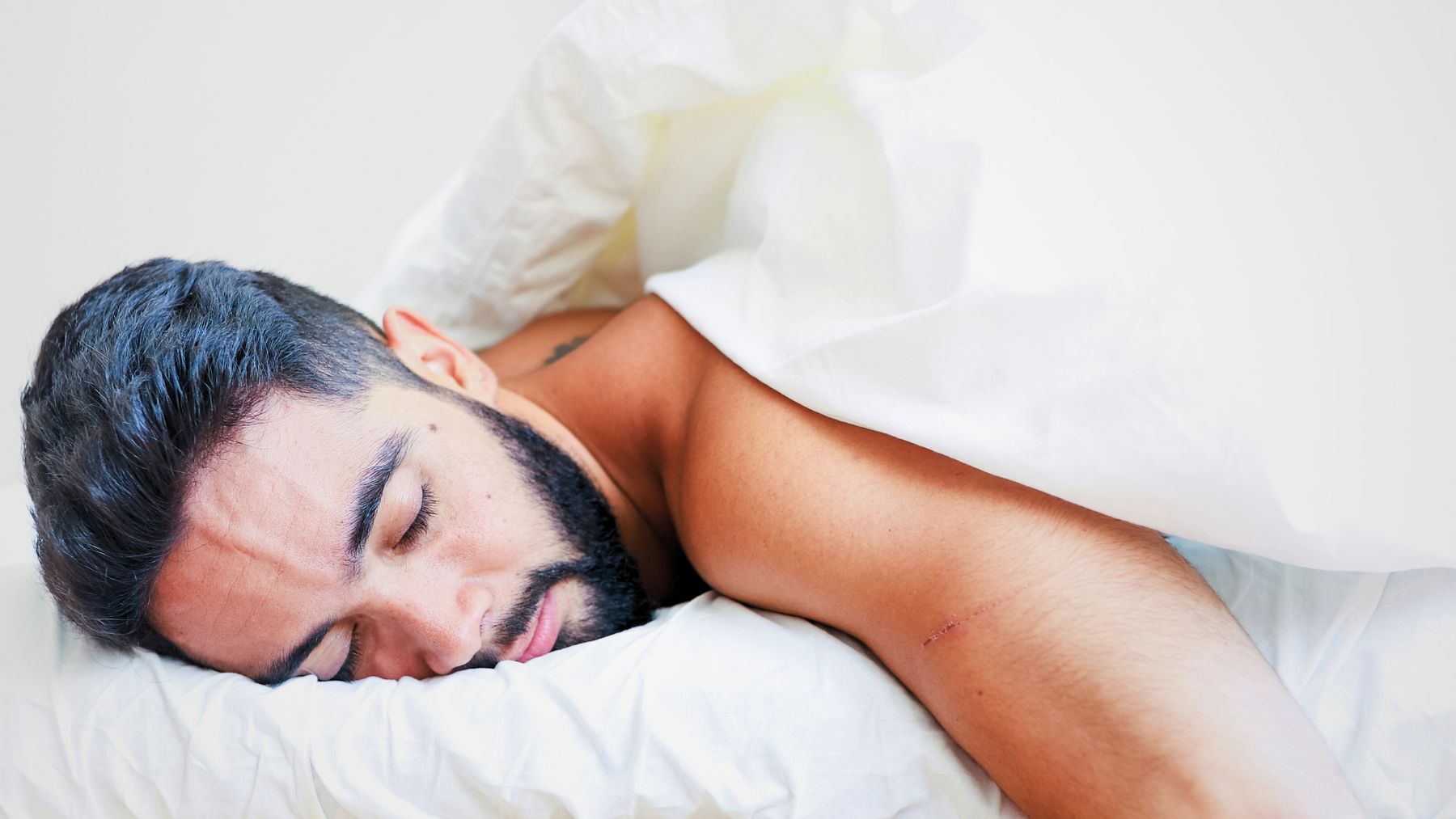
If you sleep face down, you likely rest on your stomach with your hands around your pillow and your head turned to one side. Some researchers say that these sleepers tend to be very social. They can even come off as a bit brash. Yet, they’re also known to be sensitive and might get easily upset by criticism or stressful events.
There’s also a suggestion that they might have a strong sense of determination. They are often seen as go-getters, which can serve well in fast-paced careers like finance, management, or tech industries. At the same time, this sleep style has been linked to feelings of anxiety and lower self-confidence in some surveys. So, while it might look like you’re taking charge in life, you could also be carrying some inner tension.
It’s important to note that these ideas aren’t backed by solid, up-to-date research. A mix of physical comfort and personal habits usually drives your sleep position. You might choose to sleep face down simply because it feels natural or because you’ve always done it since childhood. In other words, your sleep style is not a clear-cut window into your personality.
The link between sleeping face down and your personality is more playful speculation than proven science. While some studies hint that these sleepers can be social and go-getters, it’s best not to read too much into it. If you’re a face-down sleeper, enjoy your unique style and make sure to keep your neck and back happy too. Sleep well and take these fun insights with a grain of salt.