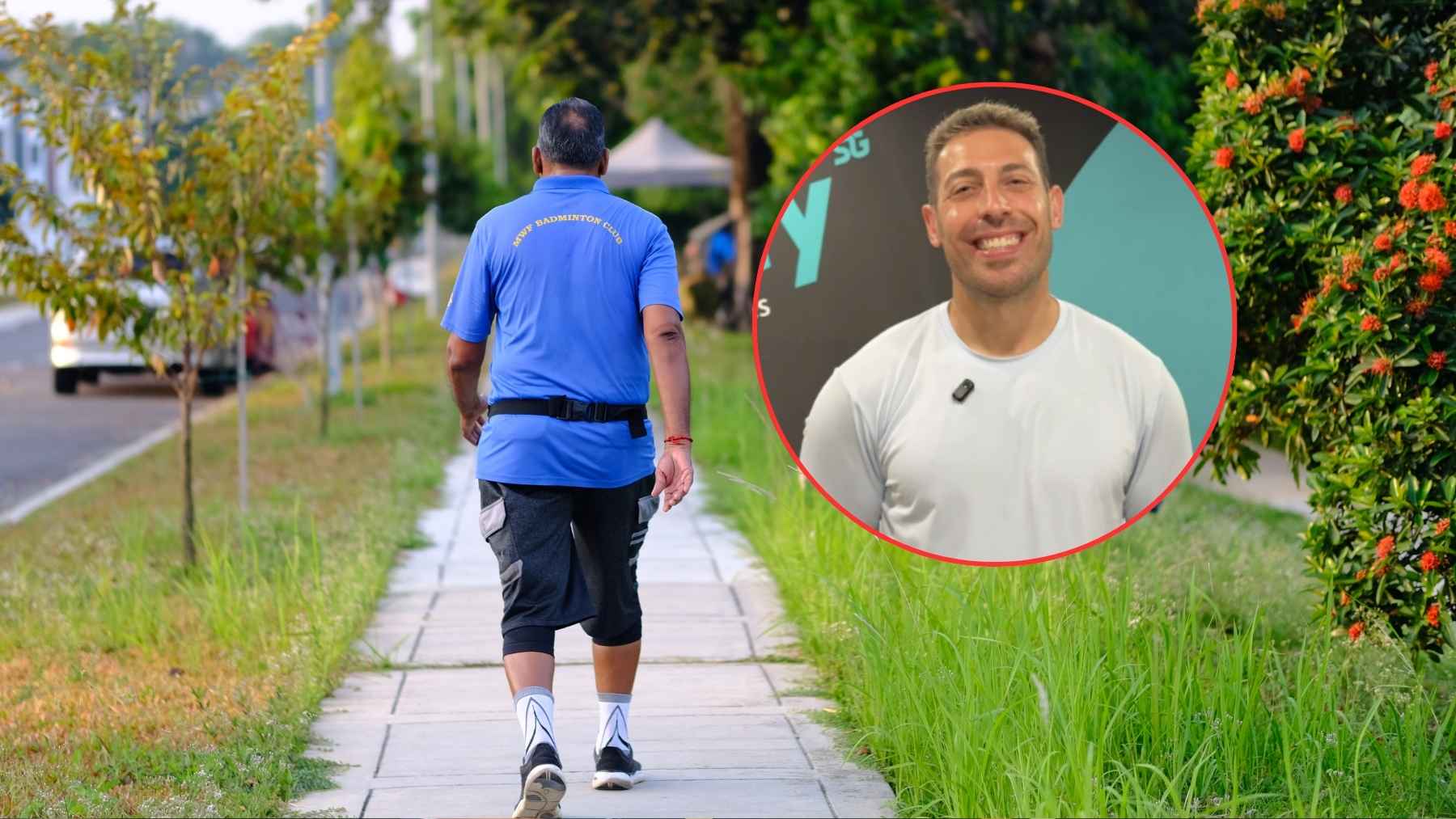
Look around and you will notice individuals moving with a brisk stride: on a busy sidewalk, through grocery store aisles, or crossing a parking lot, their movement is unmistakably energetic. They are neither late nor in immediate pursuit, but their pace remains reliably quick. If you see yourself in this description, you might wonder what internal forces prompt you to maintain a rapid walk even when there is no pressing reason to do so.
Walking speed, such as walking slowly, transcends the simple act of moving from point A to point B. It often reflects deeper aspects of your personality, emotional state, routines, and the influence of your surroundings. Here, we’ll explore how a fast stride can indicate vitality and decisiveness, how happiness or stress modulate your gait, and why habits and environmental dynamics encourage a brisk pace.
What does it mean to walk fast constantly?
Those who naturally maintain a rapid pace often possess dynamic, action-oriented temperaments. They tend to be decisive, goal-driven, and proactive, exhibiting traits associated with high levels of extraversion, conscientiousness, and openness to new experiences. This energetic stride signals self-assurance and a desire to actively engage with the world.
When you feel happy, excited, or determined, that positive energy often translates into a buoyant step and an accelerated walk. Conversely, experiencing stress, anxiety, or irritation can also quicken your pace, as your body subconsciously endeavors to dissipate nervous tension.
For many, walking quickly becomes an unconscious habit ingrained over time. This tendency reflects a mindset geared toward efficiency and task completion, even in the absence of external deadlines. It shows a constant readiness and desire to remain in control of one’s time and environment.
Sometimes, a rapid walk serves as an outlet for surplus vitality. If you naturally have a high baseline of energy or feel persistently restless, channeling that kinetic force into a fast-paced walk can help you effectively release pent-up physical or nervous energy. This behavior is reminiscent of fidgeting, but it’s harnessed into purposeful forward motion.
Your environment can also affect your walk
Your surroundings do more than just fill the visual background of your daily life. When you’re amidst a bustling urban environment or a lively public space, the ambient energy of the crowd can set a natural tempo for you. In these settings, you might unconsciously sync your steps with those around you, aligning your pace to blend seamlessly into the flow of activity.
Think about how the design of a city influences your walk. Wide avenues encourage longer strides and a relaxed pace, while cramped sidewalks or narrow streets might force a quicker, more compact gait. The built environment—shaped by elements like street width, the positioning of storefronts, or the layout of public parks—acts as an invisible conductor, subtly directing the tempo of your steps.
Ambient sounds, such as the rush of traffic, snippets of conversation, or even the distant hum of city life, contribute to this dynamic and influence your mood and movement. In a busy venue, you might find yourself moving a bit faster, motivated by the collective drive of others. Conversely, in a calm environment, your steps might become more measured and reflective, as the quieter surroundings invite introspection and a gentler pace.