Can your favorite color say something about who you are? Many people in the US and beyond love to read fun online tests that claim red means you’re bold and blue means you’re calm. It makes you think your color choice might reveal deep secrets about your personality.
But here’s the kicker: while these tests are playful, they don’t hold up under real scientific scrutiny. Recent research shows that our favorite color might not be a reliable window into our true character. So, before you let that red t-shirt define you as the life of the party, let’s dig into what science really says about color psychology.
Color psychology: Myths vs. science
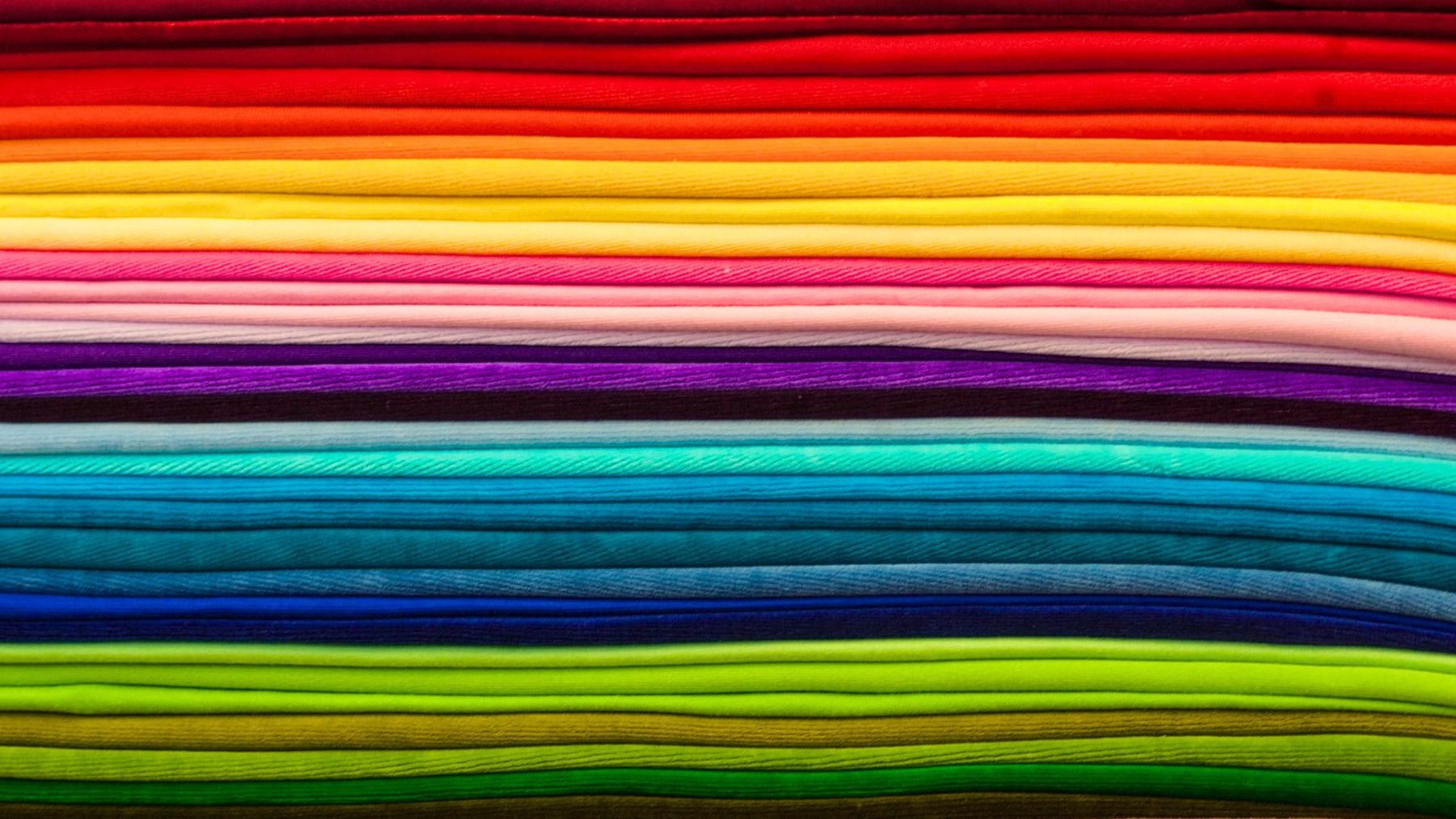
Popular belief paints a colorful picture. Many websites claim that if you love red, you’re extroverted, optimistic, and full of energy. Blue lovers are often described as calm, reliable, and trustworthy. These catchy phrases sound exciting. They are easy to share on social media and make for great conversation starters.
However, when researchers looked closer, things got murkier. In one study, over 300 participants were asked about their favorite colors and then completed detailed personality questionnaires. The idea was simple: if red lovers are more extroverted, they should score higher on extroversion than people who prefer other colors.
The results indicated that there was no significant difference. This isn’t to say that colors don’t affect us at all. They can set a mood or even influence our decisions in subtle ways. But when it comes to pinpointing our personality traits, our color preferences don’t tell the whole story.
Breaking down color profiles
Let’s take a look at some of the most popular colors and how they relate to personality:
- Red: Often called the color of passion and power, red is said to make you bold and extroverted. But when scientists compared red lovers with others, they found that the claim doesn’t hold water. The expected higher levels of extroversion were simply not there.
- Blue: Blue is linked to calmness, reliability, and trustworthiness. While it is a soothing color, research does not show that it directly ties to being more reliable or reserved. It might simply be that many people feel comforted by blue, without it defining their personality.
- Green, yellow, and others: Other colors like green and yellow also come with their own neat labels; usually green for balance and yellow for cheerfulness. But again, when measured against solid personality tests, these descriptions are too broad. They can apply to many people and don’t offer true insights into who you are.
While color tests are fun and can spark conversation at a party or during a game night, they should not be taken too seriously. It’s clear that your favorite color is more about personal taste than a secret code to your personality.
The catchy descriptions of red, blue, or any other color might make for entertaining reading on websites or social media. However, robust scientific research tells us that these color-personality links don’t really hold up and that real personality is much more complex.