There is a natural compound that is garnering attention as a weight-loss aid, with some even calling it the “natural Ozempic”. Yet before you get too excited, it’s important to understand that there’s more to the story than just rapid results.
The allure of natural alternatives is undeniable. Many people seek supplements that promise benefits without the need for injections or harsh medications. Still, these appealing claims often hide critical details you should know. This article explores what this compound is and carefully weighs its advantages and disadvantages. Let’s begin.
The truth about the natural Ozempic
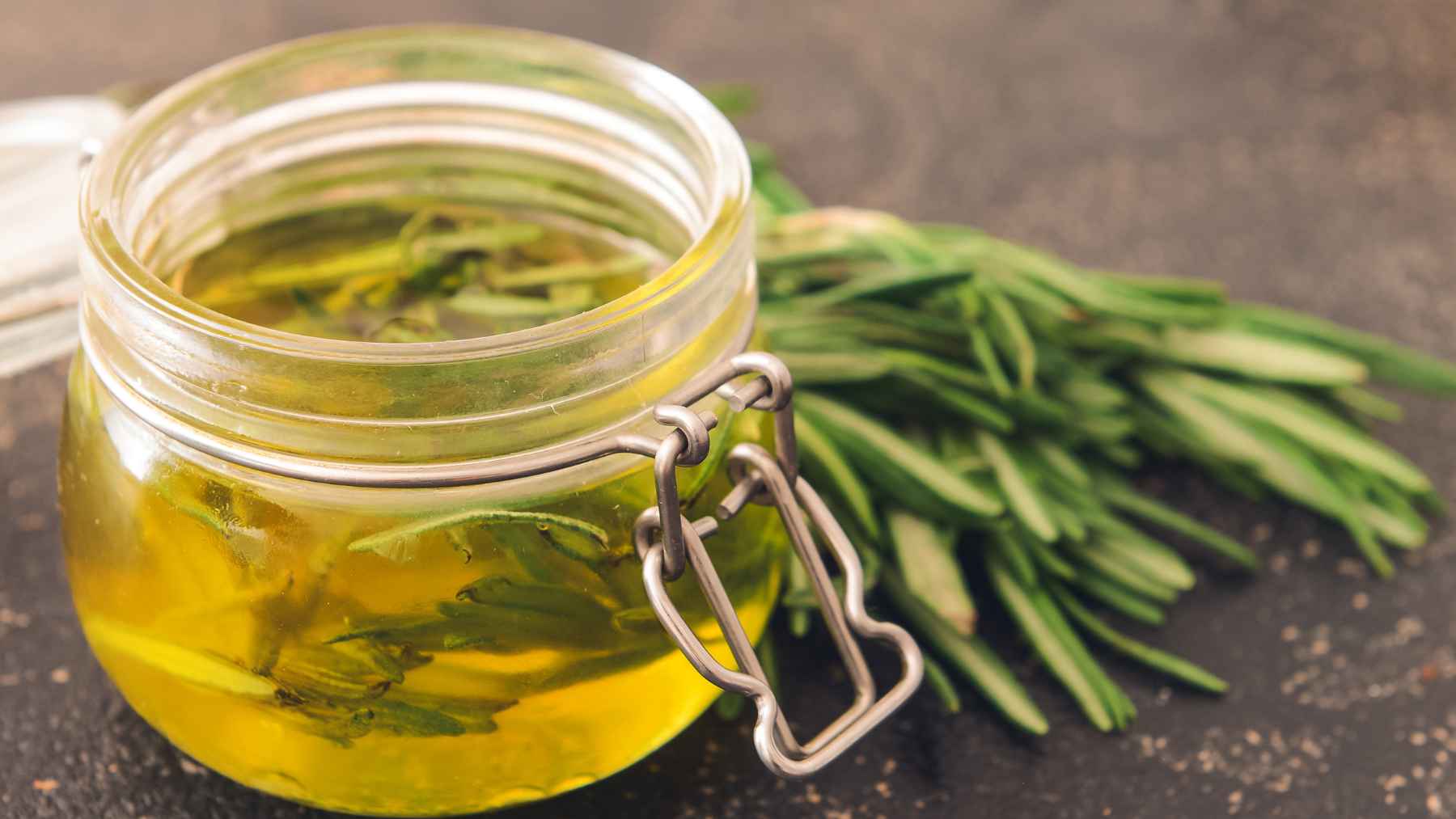
Berberine is an alkaloid extracted from certain plants. Traditionally used in Chinese and Ayurvedic medicine, it’s derived from the roots or bark of shrubs in the Berberidaceae family. More recently, it has been packaged as a supplement in the form of capsules or tablets and its ability to influence blood sugar and cholesterol levels has led some to compare its effects to those of a well-known diabetes drug.
Some research suggests that berberine may support weight loss, with human studies indicating an average loss of 2 to 6 pounds. It appears to work by affecting various metabolic markers, including lowering blood sugar levels and boosting the release of hormones that signal fullness. Nevertheless, these studies are relatively small, and their findings are not definitive. While berberine shows promise in influencing key metabolic indicators, its actual impact on weight loss remains, at best, modest.
The supplement’s popularity is partly due to its natural label, which creates the impression of a safe, organic remedy for stubborn weight issues. However, the compound has pharmacological properties. As such, it is not merely a vitamin and it functions much like a drug. In the US, where consumers are keen on safe, proven supplements, this distinction is particularly important.
Berberine’s risks and precautions: what you need to know
It’s important to remember that when a substance exhibits drug-like effects, it can come with side effects and potential interactions. With berberine, understanding the risks is as vital as knowing its benefits. Here are some key concerns:
- Gastrointestinal issues: Users report experiencing diarrhea, abdominal pain, constipation, flatulence, or nausea.
- Cardiovascular effects: Berberine has the potential to lower blood pressure excessively and may also slow the heart rate, which can be dangerous for those with existing heart conditions.
- Blood sugar drops: Because it reduces blood sugar levels, it can increase the risk of hypoglycemia.
- Pregnancy and nursing: Berberine can cross the placenta and may affect fetal development, as well as enter breast milk.
- Drug interactions: Berberine can interfere with heart drugs like digoxin, affect transplant immunosuppressants such as tacrolimus, and, when combined with cholesterol-lowering statins or diabetes medications like metformin, it can heighten the risk of side effects.
Although sold as a dietary aid, berberine exhibits strong drug-like effects and is not subject to the same stringent checks as prescription medications. In the US, supplements do not undergo the rigorous evaluation for efficacy or safety that drugs do, and this lack of oversight adds an extra layer of risk. Recommendations to keep in mind:
- If you have diabetes, heart, or liver issues, avoid using berberine unless your doctor approves.
- Pregnant or breastfeeding women should steer clear of it.
- Always consult your healthcare provider if you are on any long-term medications before beginning a new supplement.
Remember, natural does not always equate to safe. The scientific evidence about berberine remains limited and its effects on weight loss are modest. More crucially, the supplement carries various risks and possible side effects. If you are considering it, consult your doctor to carefully weigh its pros and cons.