Good posture is essential for balance, mobility, and reducing pain as we age. For those over 60, one of the simplest ways to support posture and prevent falls comes down to something many overlook: their shoes.
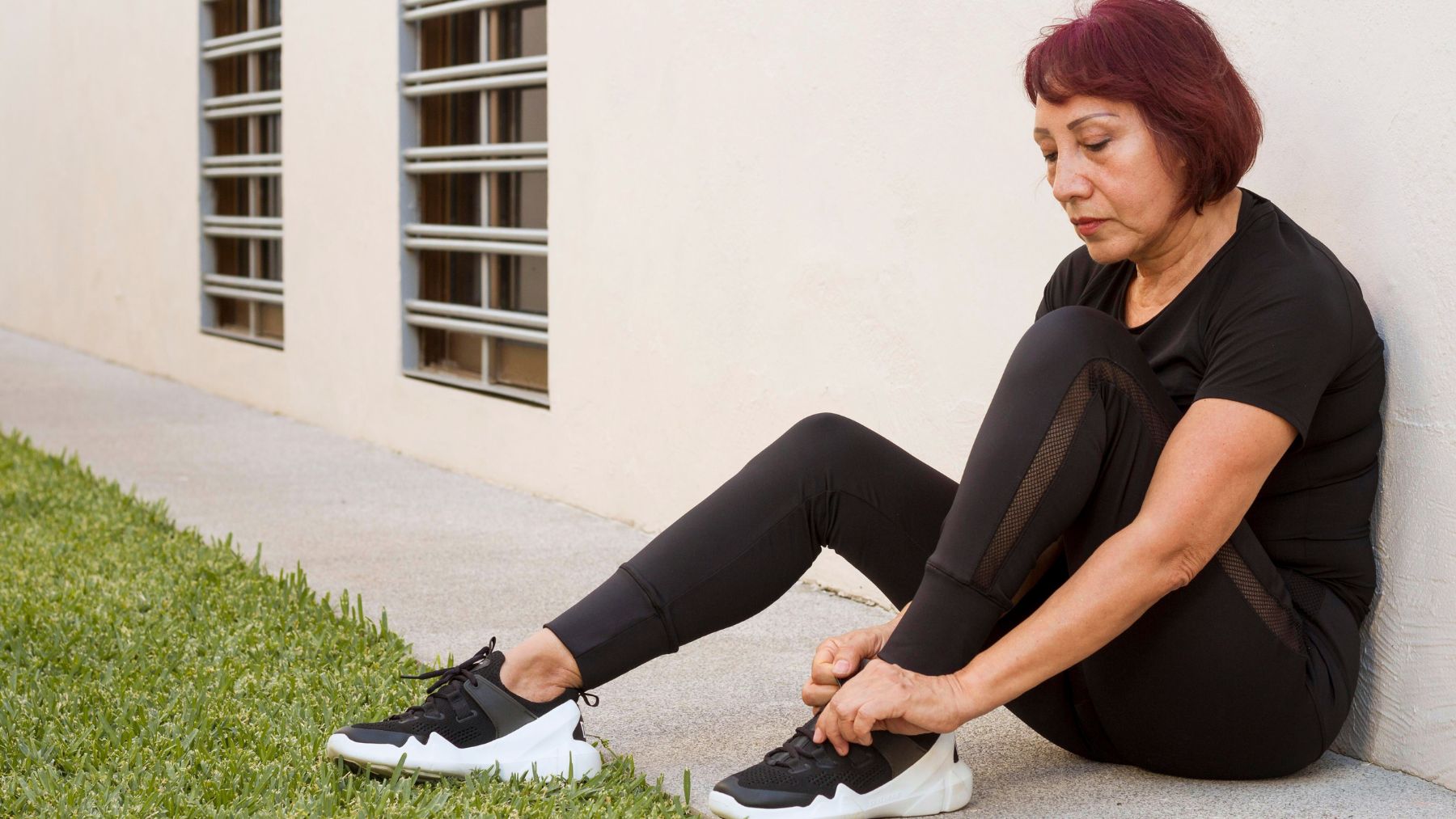
Experts recommend shoes that promote body alignment with a firm heel and a sole that supports the arch. These are tools that protect the joints, improve stability, and make everyday activities like walking, climbing stairs, or standing in the kitchen safer and more comfortable. Let’s cover what makes the right shoe, and which types of footwear are best for seniors to wear daily.
Seniors should wear shoes that support posture and stability
The best shoes for older adults are designed to align the body correctly while providing comfort. A stable heel is key, as it prevents the foot from rolling inward or outward, which can affect knees, hips, and back. A firm heel counter—the part of the shoe that cups the back of the foot—keeps the heel in place and reduces unnecessary movement.
Arch support is equally important. As we age, ligaments and tendons lose elasticity, which can lead to flat feet or conditions like plantar fasciitis. Shoes with built-in arch support distribute weight evenly, reducing pressure on joints and helping maintain the body’s natural alignment. When the arch is supported, posture improves, and fatigue is reduced.
The sole should also provide traction and cushioning. Non-slip rubber soles reduce the risk of falls on wet or smooth surfaces, while cushioning absorbs shock from walking on hard floors. Lightweight and breathable materials like soft leather or mesh make the shoe comfortable for daily wear, preventing swelling and keeping the foot cool. A wide toe box is also beneficial, allowing the toes to move freely.
Finally, low heels—or no heel at all—are best. Shoes higher than an inch can throw off balance and strain the spine. A heel of about one inch or less provides stability without compromising posture.
Best shoe options for seniors
Now that we’ve covered what to look for, let’s talk about which types of shoes work best for daily use.
- Walking shoes: Designed for comfort and support, they usually come with cushioned soles, good arch support, and firm heel counters. They are ideal for everyday use indoors and outdoors.
- Orthopedic shoes: Built specifically for foot health, these provide extra support and often have removable insoles to fit custom orthotics. They’re helpful for conditions like arthritis or flat feet.
- Slip-resistant sneakers: Lightweight with rubber soles that grip well, these are practical for people who want comfort and safety in one shoe.
- Velcro-strap shoes: Easy to adjust and put on, making them especially convenient for those with limited mobility or arthritis in the hands.
- Wide-toe loafers: Supportive and structured, while giving toes the space they need to move comfortably without pressure points.
Choosing the right shoes is one of the most effective ways for people over 60 to protect their posture, reduce pain, and lower the risk of falls. It directly supports independence and mobility, helping seniors stay active and confident as they age.