Sometimes, weight loss might look like a simple math equation: eat fewer calories than you burn and the pounds will melt away. But the process is more complicated than that. Many factors can impact your success and the time you eat might be one of them.
While there isn’t one perfect schedule for everyone, dietitian Johna Burdeos, RD, offers guidance on what may be the best time to eat each food to make a difference.
The best time to eat for weight loss
Meal timing is about aligning eating with your body’s internal 24-hour clock, or circadian rhythm. This clock, regulated by light and dark cycles, helps control bodily functions, including metabolism. In simple terms, your body processes food more efficiently at certain times of the day.
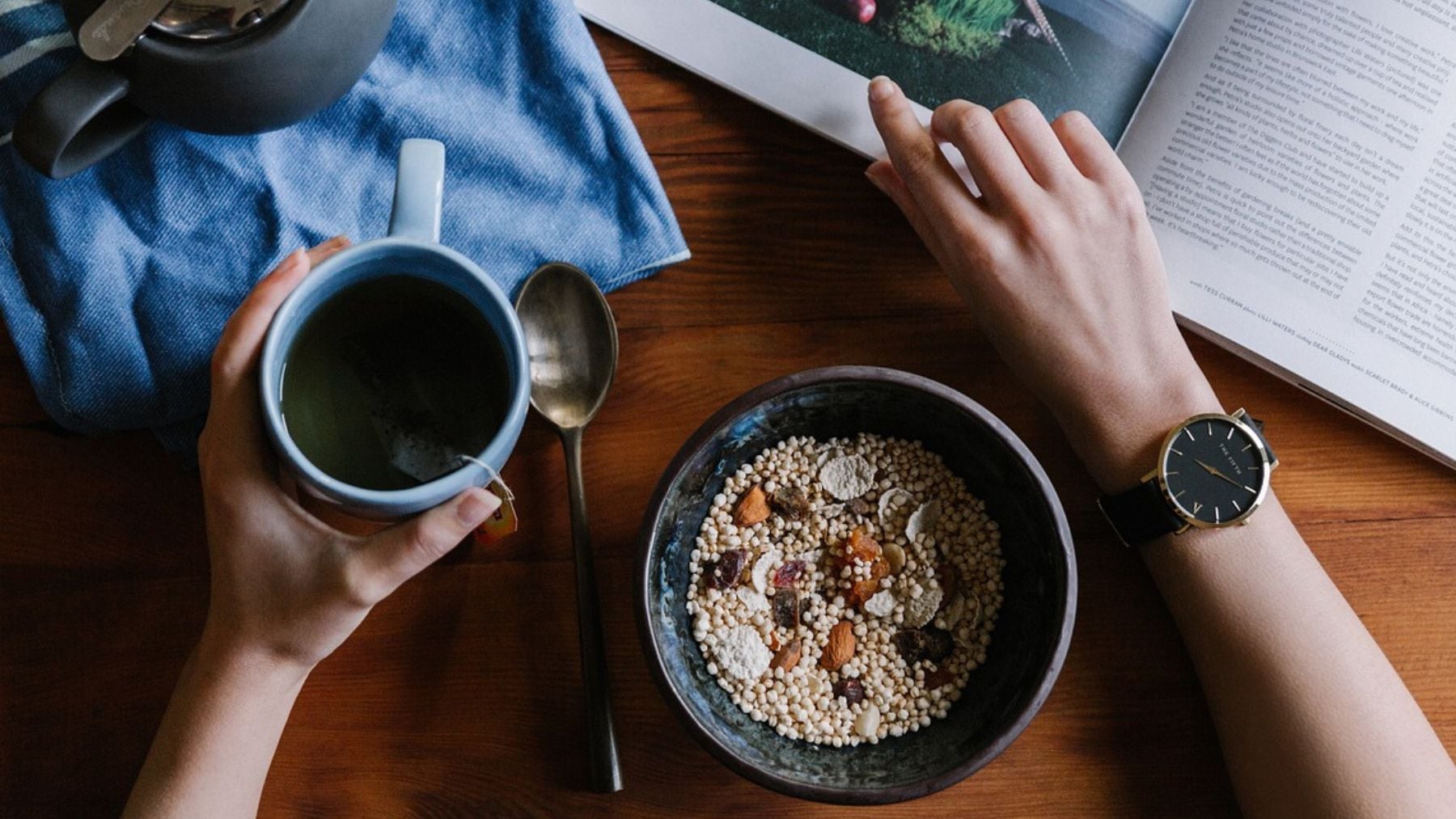
Breakfast
Studies show that breakfast eaters tend to consume less sugar and make healthier choices throughout the day. Plus, those who prioritize a morning meal are often more alert mentally.
Although there isn’t a strict rule on the time, eating a nutritious breakfast within two hours of waking up is a smart move. If you’re not a breakfast fan or practice intermittent fasting, aim for a fasting period of at least 12 hours from your last meal the night before.
Lunch
While research on the ideal lunchtime is limited, an older study revealed that people who ate lunch after 3 p.m. struggled more with weight loss than those who ate earlier. For the best results, eat lunch a bit earlier in the day. Front-loading your calorie intake can be more effective for weight management.
Dinner
Late-night meals are often linked to unhealthy habits, like bigger portions and more processed food. For optimal results, have dinner at least two hours before bed. While timing matters, the quality of your dinner is equally crucial. Prepare a balanced meal with vegetables, lean proteins, and healthy fats.
Snacks
If you get hungry between meals, having healthy snacks can be beneficial, especially if it prevents nighttime overeating. Adding snacks between breakfast and lunch or lunch and dinner can help you make healthier choices later. Think of snacks as a chance to add nutrient-dense foods, like fruit with nuts or veggies with hummus, into your day.
Recommendations for effective meal planning
- Prep ahead: Preparing meals and snacks in advance can help you stick to your weight loss goals and avoid impulsive choices.
- Choose nutrient-dense foods: Fill half your plate with veggies, one-quarter with lean protein, and one-quarter with whole grains.
- Stay hydrated: Sometimes, thirst is mistaken for hunger. Drinking water throughout the day can help prevent unnecessary snacking.
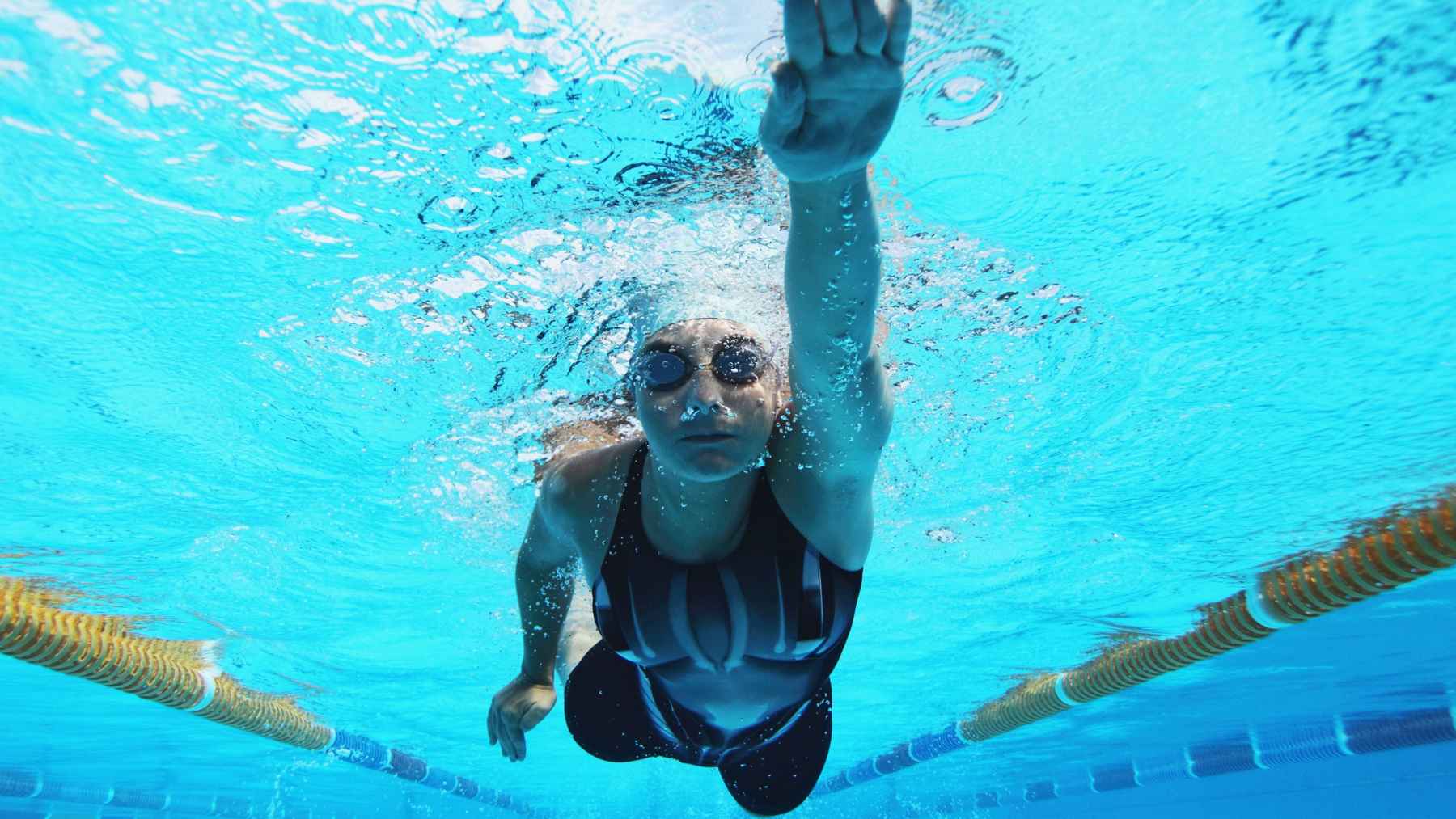
- Move your body: Aim for at least 150 minutes of physical activity per week, including both cardio and strength training.
While meal timing is an important part of weight loss, keep in mind that it’s not the only factor. Eating nutritious meals earlier in the day and minimizing late-night snacking can help you maintain a healthy metabolism and make smarter choices. However, focusing on a balanced diet and regular exercise remains key to achieving your goals.