Lymphatic drainage massage has been used for years in beauty salons, with claims ranging from improving circulation to aiding in weight reduction. Experts have long explored its potential benefits for weight management, fluid balance, and tissue health. But what does science say about its effects?
Experts, such as Manhattan-based lymphatic therapist Lizabeth Gottsegen, emphasize that while lymphatic drainage massage won’t dramatically reduce fat, it does support the body’s lymphatic system. Here, we’ll explore how this massage may help with weight management and highlight other benefits, including improved circulation, reduced swelling, and immune support.
How lymphatic drainage massage may affect weight
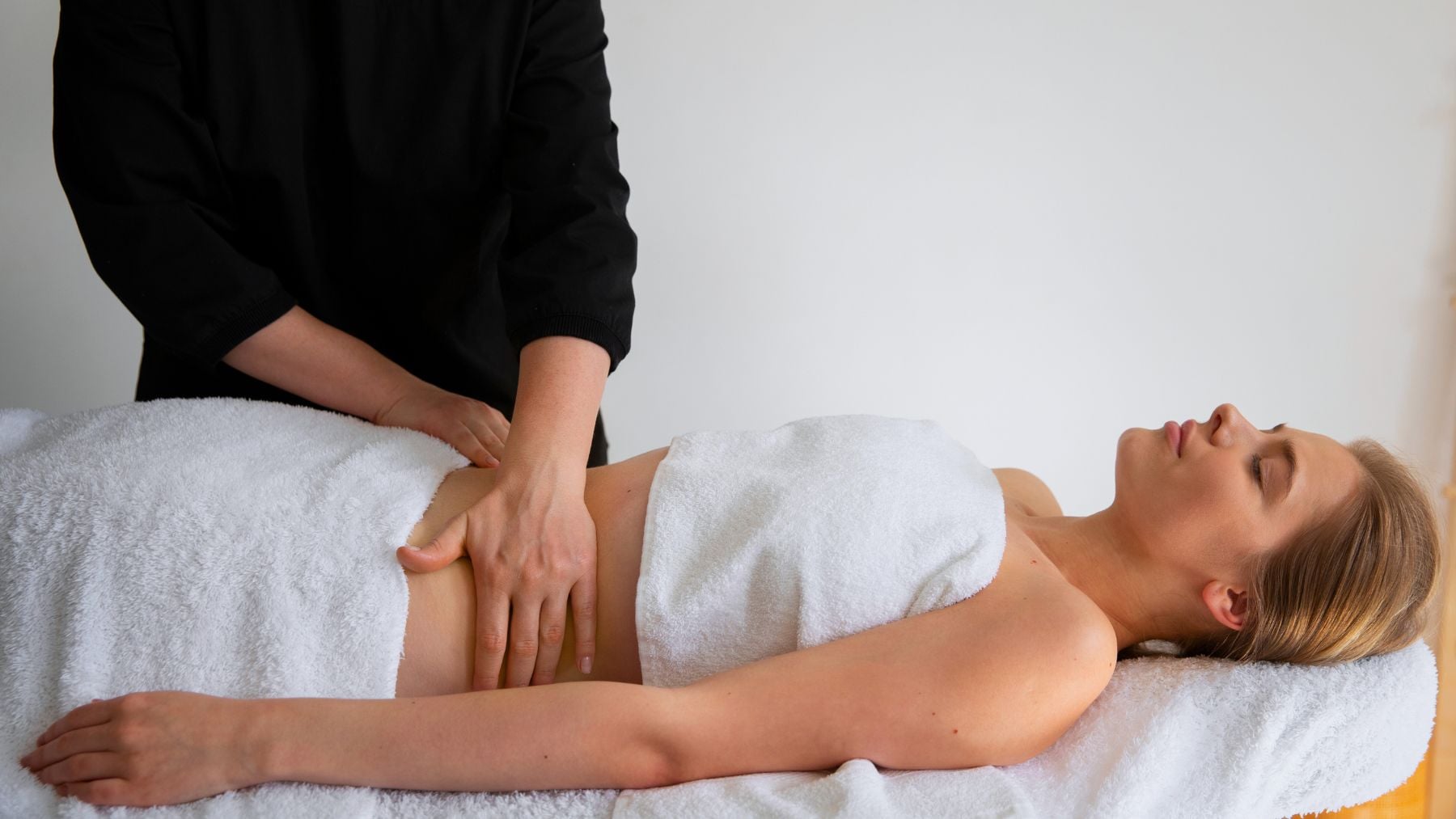
Lymphatic drainage massage focuses on stimulating the lymphatic system, a network of vessels and nodes that transport lymph fluid, white blood cells, and waste throughout the body. Gentle, rhythmic strokes help move fluid toward functioning lymph nodes, preventing stagnation.
While massage itself does not burn significant calories, this increased lymph flow can reduce temporary water retention and bloating, which may create a slimmer appearance. Experts explain that by helping the body move excess fluids, massage can slightly improve how the body handles swelling after surgery or periods of inactivity.
Research also suggests that supporting lymph movement can indirectly assist metabolic processes. Though it won’t target fat cells directly, clearing fluid and improving circulation can enhance tissue function, which supports overall energy use and wellness.
In this way, it can complement a healthy diet and regular exercise, rather than replace them, by supporting the body’s natural fluid movement and reducing temporary water retention. Over time, this can help the body feel lighter, less bloated, and more energized.
Other benefits of lymphatic drainage massage
Lymphatic drainage massage provides a range of health benefits that support your overall body function. Individuals with compromised lymph flow—due to surgery, radiation, or genetic conditions like lymphedema—can see significant improvements. In these cases, massage helps reduce swelling, prevent fluid buildup, and maintain mobility in affected limbs, which can improve daily comfort and prevent long-term complications.
The massage also plays a role in supporting the immune system. By stimulating lymph circulation, it helps white blood cells travel efficiently throughout the body, improving the body’s natural defense mechanisms. This can be particularly helpful after illness, injury, or procedures that temporarily affect lymphatic function.
It also promotes relaxation and can lower stress hormone levels. The gentle, rhythmic movements encourage a calm state, which may indirectly support digestion, sleep quality, and mental well-being.
Improved circulation from the massage can also reduce fatigue, encourage faster recovery after physical activity, and relieve tension in areas prone to fluid accumulation. Some people find it reduces discomfort from minor swelling in the legs, hands, or face, while others notice a lighter, less puffy feeling throughout the body.
Although lymphatic drainage massage is not a replacement for regular exercise or a healthy diet, it complements these habits by supporting fluid balance, improving circulation, and aiding lymphatic function. Regular sessions can help maintain healthy tissue function, reduce discomfort, and support vitality, making it a valuable tool for anyone looking to enhance the body’s natural processes.