When it comes to staying mentally sharp, games like Sudoku and even brain training video games appear as suitable options. Here, we want to highlight another hobby that challenges spatial reasoning, problem-solving, and memory for seniors over 65.
We’re talking about the Rubik’s Cube—a 3D puzzle invented in 1974—that provides surprising benefits for older adults. We’ll explore the impact this game can have and how it can be part of a broader regimen for sustaining mental agility. In addition, we’ll cover other complementary activities, including matching games and crosswords, which also contribute to a dynamic cognitive workout.
Why the Rubik’s Cube is a great hobby for seniors over 65
The Rubik’s Cube is more than a simple test of patience. Its tangible design demands intricate coordination of hands, eyes, and brain, offering a workout for cognitive skills.
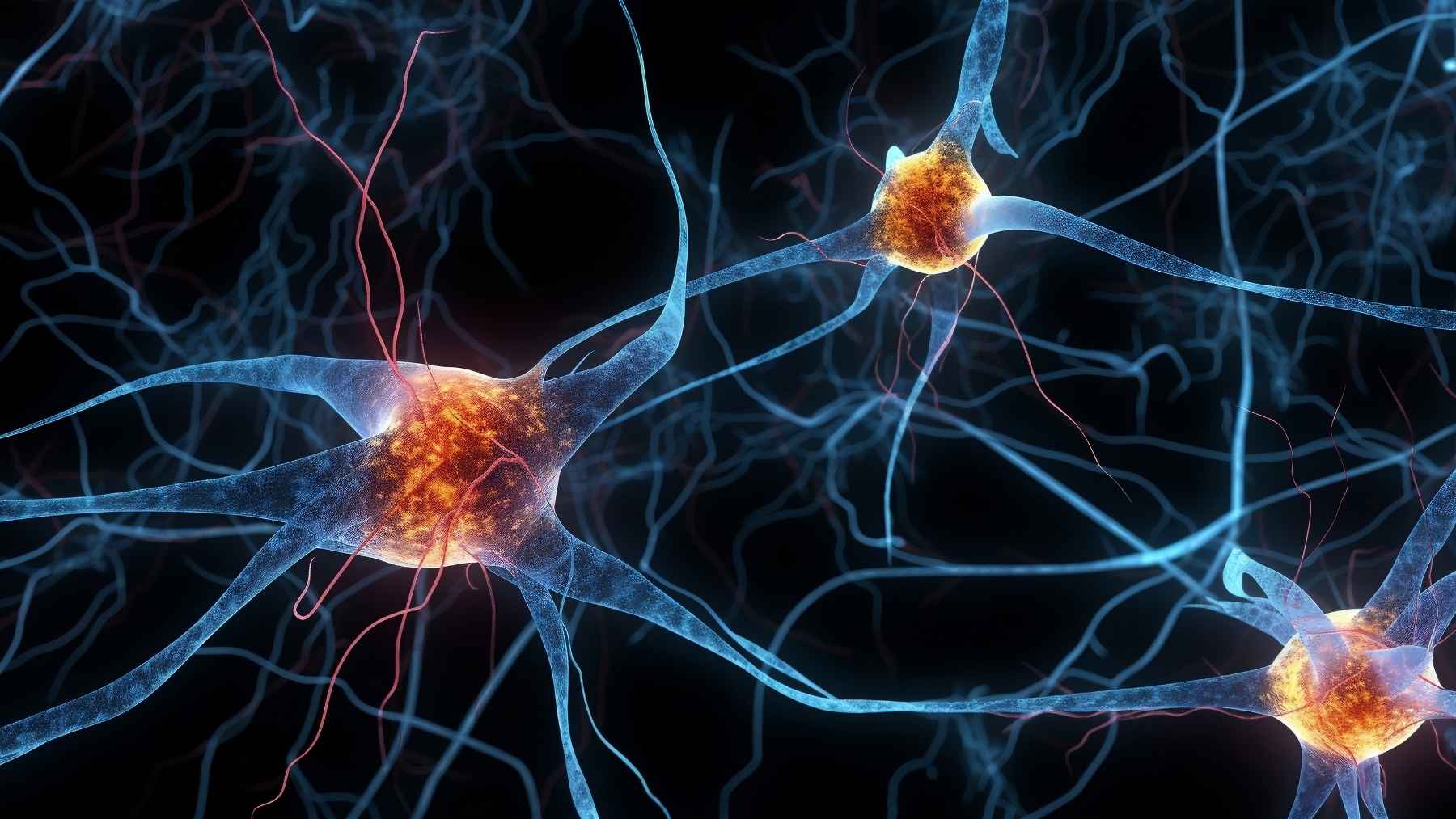
Successfully solving the cube involves tracking complex patterns, planning several moves, and adapting whenever a strategy doesn’t work as anticipated. These tasks stimulate numerous brain regions, especially those responsible for spatial perception, executive function, and neural flexibility, abilities that are often vulnerable to age-related decline.
Scientific research underscores that engaging in mentally stimulating activities, such as manipulating a Rubik’s Cube, can help maintain brain health. Even attempts at solving the puzzle, independent of the outcome, engage working memory and problem-solving skills, essential for everyday tasks like following recipes, managing medications, and even planning social events.
Unlike digital games, twisting its colorful layers offers direct sensory feedback, engaging motor skills along with cognitive processes. For seniors, this blend of physical interaction and mental challenge can prove more rewarding than passive leisure pursuits.
Other brain-boosting hobbies for seniors
Combining the Rubik’s Cube with other mental exercises creates an all-encompassing cognitive routine. Below are three options, each targeting distinct aspects of mental function:
- Sudoku: This numerical puzzle reinforces logical reasoning and meticulous attention to detail. Filling grids without duplicating digits demands concentrated focus, making it an excellent choice for refining short-term memory and analytical skills.
- Crossword puzzles: These word games engage vocabulary, long-term memory, and cultural knowledge. Recalling terms or historical facts exercises the brain’s retrieval systems, much like rummaging through a well-organized mental archive.
- Matching games: Whether played with cards, tiles, or on digital platforms, matching games rigorously test recall under time constraints. By flipping items and retaining their positions, these games enhance visual memory, a critical skill for recognizing faces, navigating new environments, and even supporting spatial orientation in everyday life.
Each of these activities complements the Rubik’s Cube by focusing on specific cognitive domains. Sudoku nurtures methodical logic, crossword puzzles draw on accumulated knowledge, and matching games sharpen rapid recall. Together, these varied challenges contribute to a holistic cognitive training program.
The Rubik’s Cube distinguishes itself by merging tactile manipulation with strategic thinking, an experience that traditional puzzles and digital games can’t fully replicate. For seniors, embracing the challenge of learning to solve it can reignite curiosity and provide a tangible sense of achievement. Remember that the goal isn’t perfection but ongoing engagement, curiosity, and proactive mental exercise.