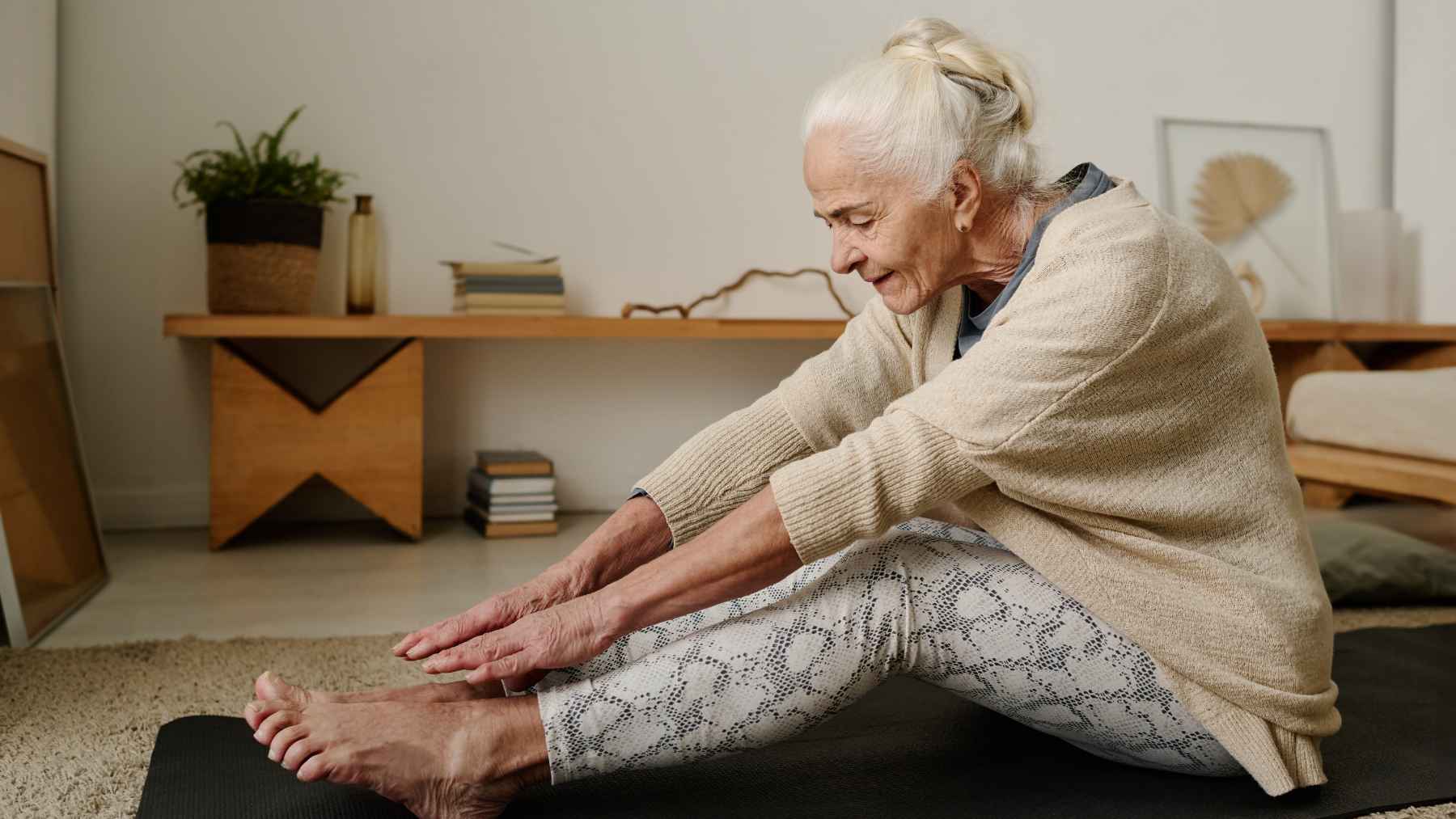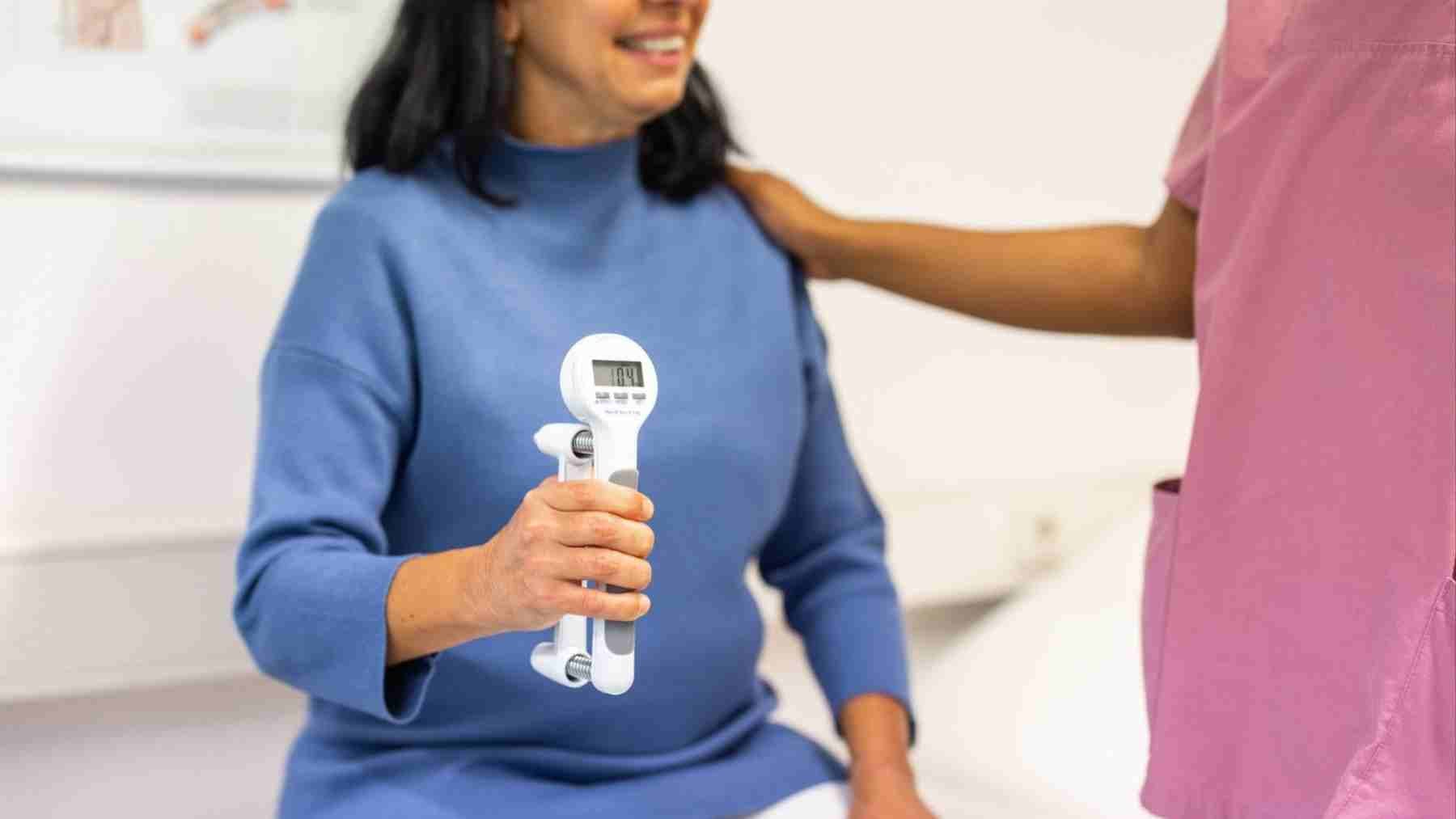
Most health advice for older adults still circles back to walking, steps, and keeping your heart in shape. But what if one of the biggest clues to healthy aging is something simpler, like how firmly you can squeeze or how quickly you can stand up from a chair?
A Feb. 18, 2026 news release from the University at Buffalo describes a large analysis, published online February 13, 2026, that followed 5,472 women ages 63 to 99 for about eight years. Women with stronger handgrip and faster sit-to-stand times had a lower risk of death, even when researchers accounted for how active they were day to day and how much time they spent sitting. Study leader Michael LaMonte said, “When we no longer can get out of the chair and move around, we are in trouble.”
Two quick tests that can reveal a lot
Grip strength is a basic measure of how much force your hand can produce, usually tested by squeezing a handheld device in a clinic. The chair stand test is even simpler, timing how fast someone can rise from a chair five times without using their arms.
These are not party tricks, and they are not about looking like a bodybuilder. They line up with everyday moments like opening a stuck jar, carrying groceries, or standing up after a long movie.
How the study captured daily movement
The work drew on the Objective Physical Activity and Cardiovascular Health in Older Women project, an offshoot of the Women’s Health Initiative. Participants wore a motion sensor for seven days, and they also did a short walking test that covered about eight feet.
Researchers also looked at age, medical conditions, and lab results including C-reactive protein, a blood marker often used to track inflammation in the body. Co-authors on the paper included scientists from the National Cancer Institute, University of California San Diego, Texas A&M University, Brown University, Stanford University and Fred Hutch Cancer Center.
What the numbers showed over eight years
During follow-up that ran through February 19, 2023, 1,964 women died from all causes. After accounting for many differences between participants, the strongest women still had meaningfully lower risk than the weakest group.
In one analysis, every roughly 15-pound bump in grip strength was linked to an average 12 percent lower death rate. Faster chair stands were also tied to lower risk, although that link weakened after researchers accounted for many health factors.
Why this matters beyond the treadmill
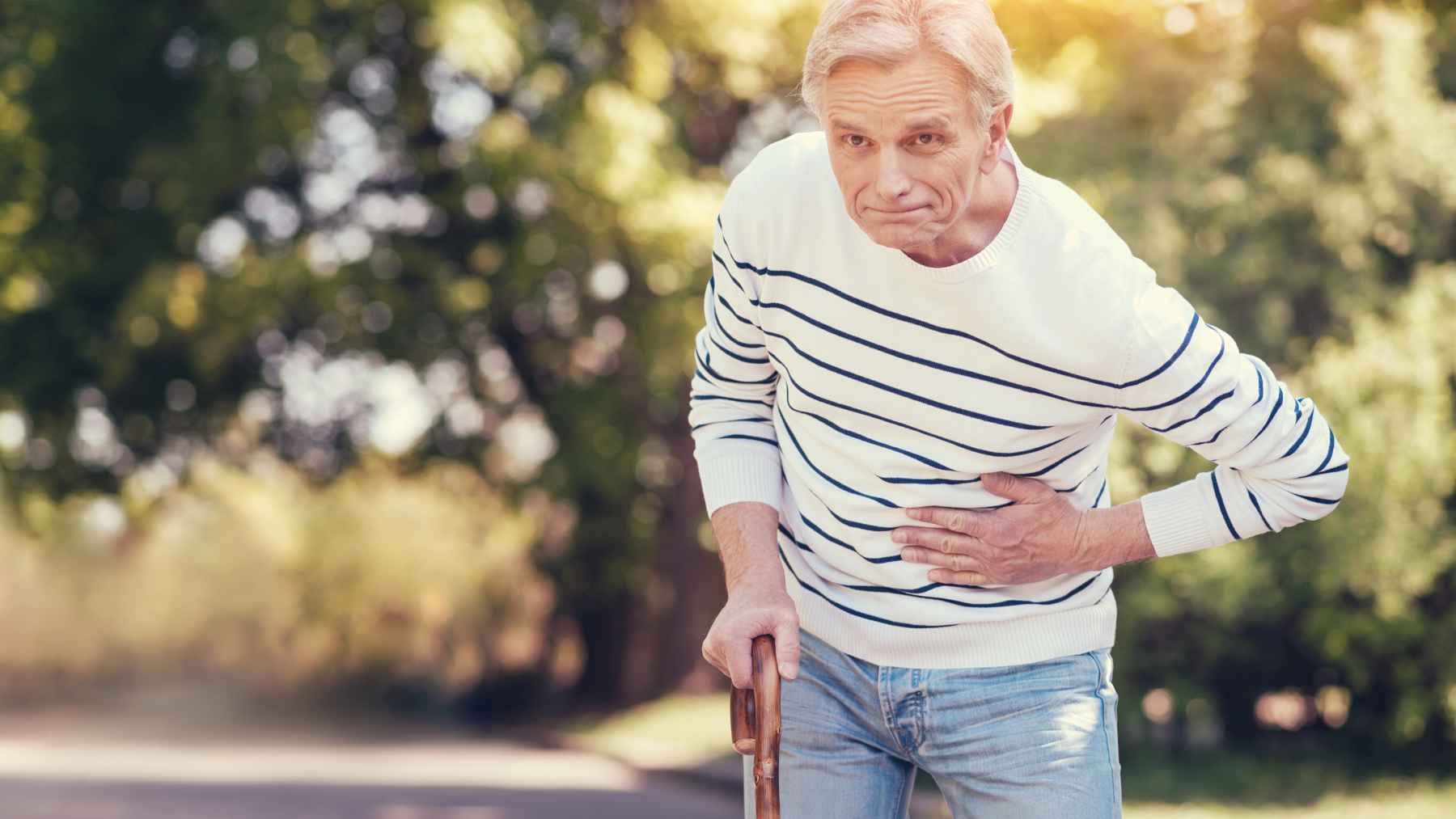
Muscle strength is what lets people move against gravity, and gravity never takes a day off. If getting out of a chair starts to feel like a struggle, it can shrink a person’s world fast, from fewer errands to less social time.
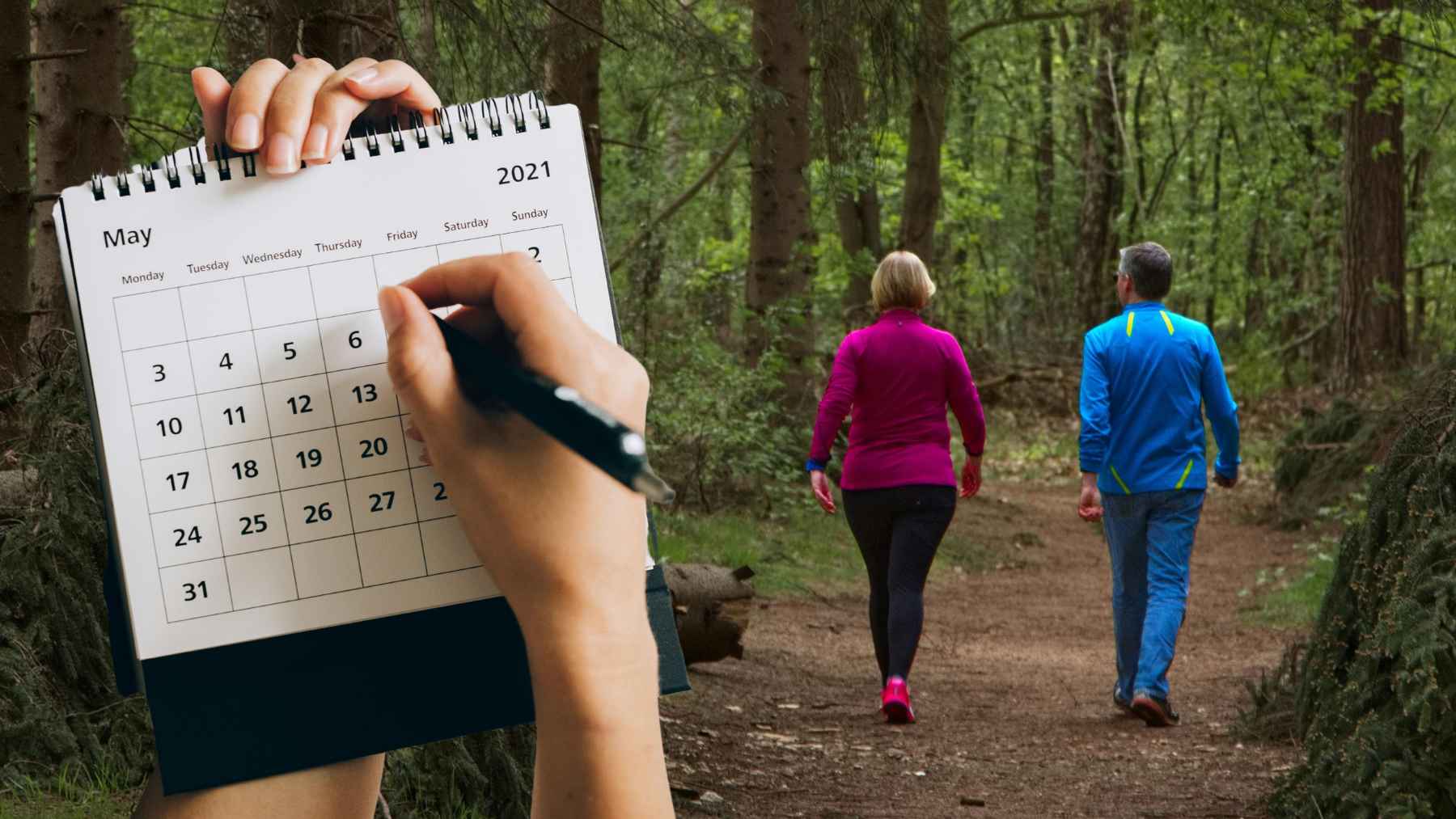
The study also found benefits even among women who did not meet the weekly exercise target in the Physical Activity Guidelines for Americans. For many people, that could make a difference on weeks when a go for a walk every day habit slips because of weather, travel, or a sore knee.
Sitting, fitness, and inflammation were not the whole story
Many earlier studies relied on people reporting their own activity, which can be fuzzy, especially years later. Here, the motion sensors helped separate time spent moving from time spent sitting, so the strength link was not just a reflection of a more active lifestyle.
The team also accounted for walking speed and inflammation, and the overall pattern held. Still, this kind of research can only show an association, not a guarantee, and it cannot rule out every hidden factor, including how conditions like high blood pressure change over time.
How this fits with earlier research
A 2018 BMJ study that tracked nearly half a million adults found that stronger grip strength lined up with lower risk of death from several causes. A 2006 Health, Aging and Body Composition study also pointed to strength as a key signal for longevity, even when muscle mass itself was not the main factor.
More recently, an American Heart Association scientific statement has emphasized resistance training as a safe way to support cardiovascular health in many adults. In practical terms, the message is not either cardio or strength, but both, adjusted to what a person can safely do.
What older women can do with this information
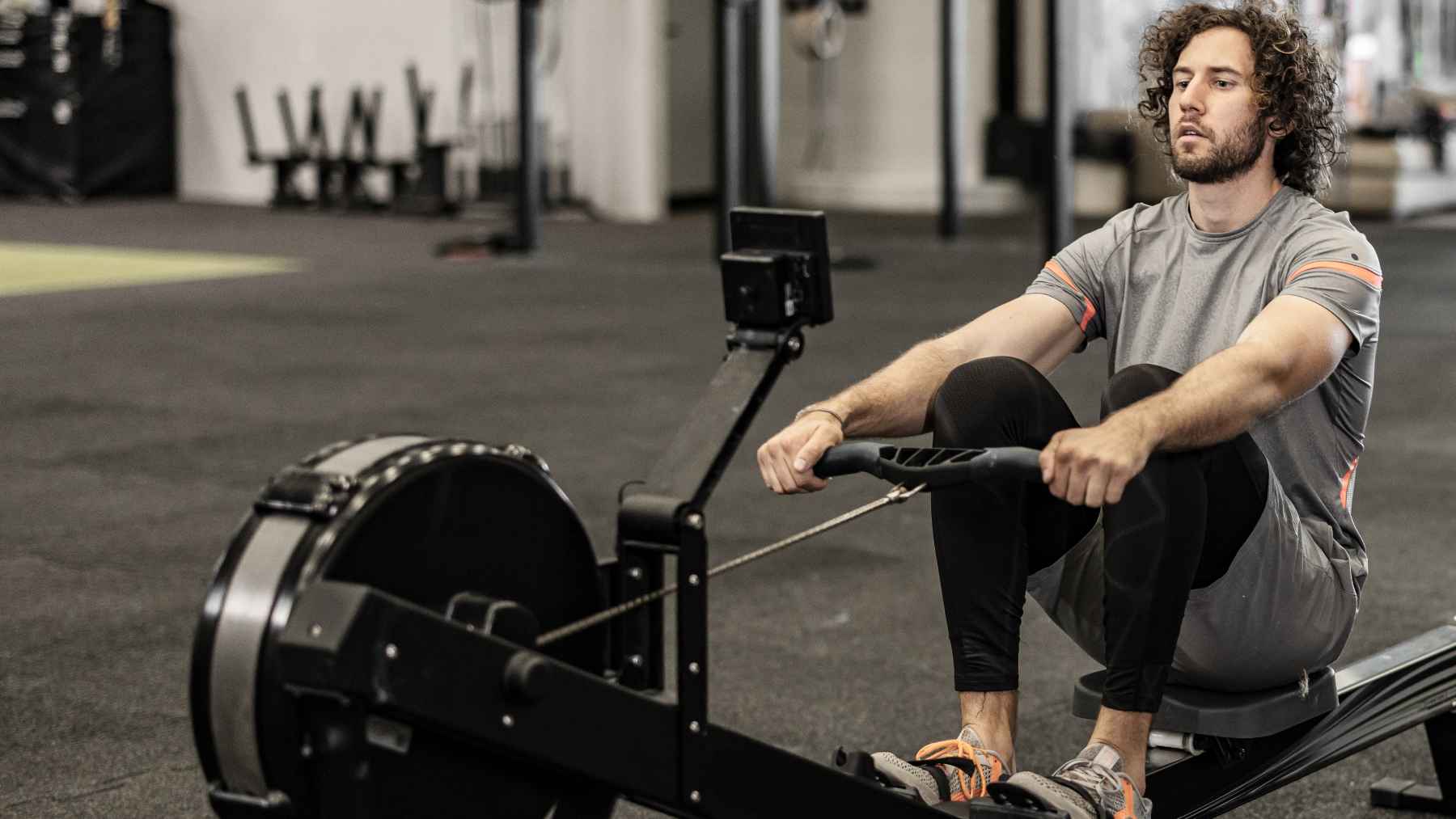
Strength work does not have to mean a gym membership or heavy barbells. Bodyweight moves, light dumbbells, or even soup cans can provide enough resistance to challenge muscles, especially for beginners.
Start slow, and treat safety like part of the workout, not an optional add-on. A good warm-up helps, and so does avoiding a sudden jump in difficulty that can lead to problems like the single run where you decide to cover a much greater distance.
Older adults should talk with a health care provider before starting a new strength routine, especially if balance or joint pain is already an issue. Sleep and recovery matter too, and even elite athletes chase deep sleep because that is when the body rebuilds.
The main study was published on JAMA Network Open.