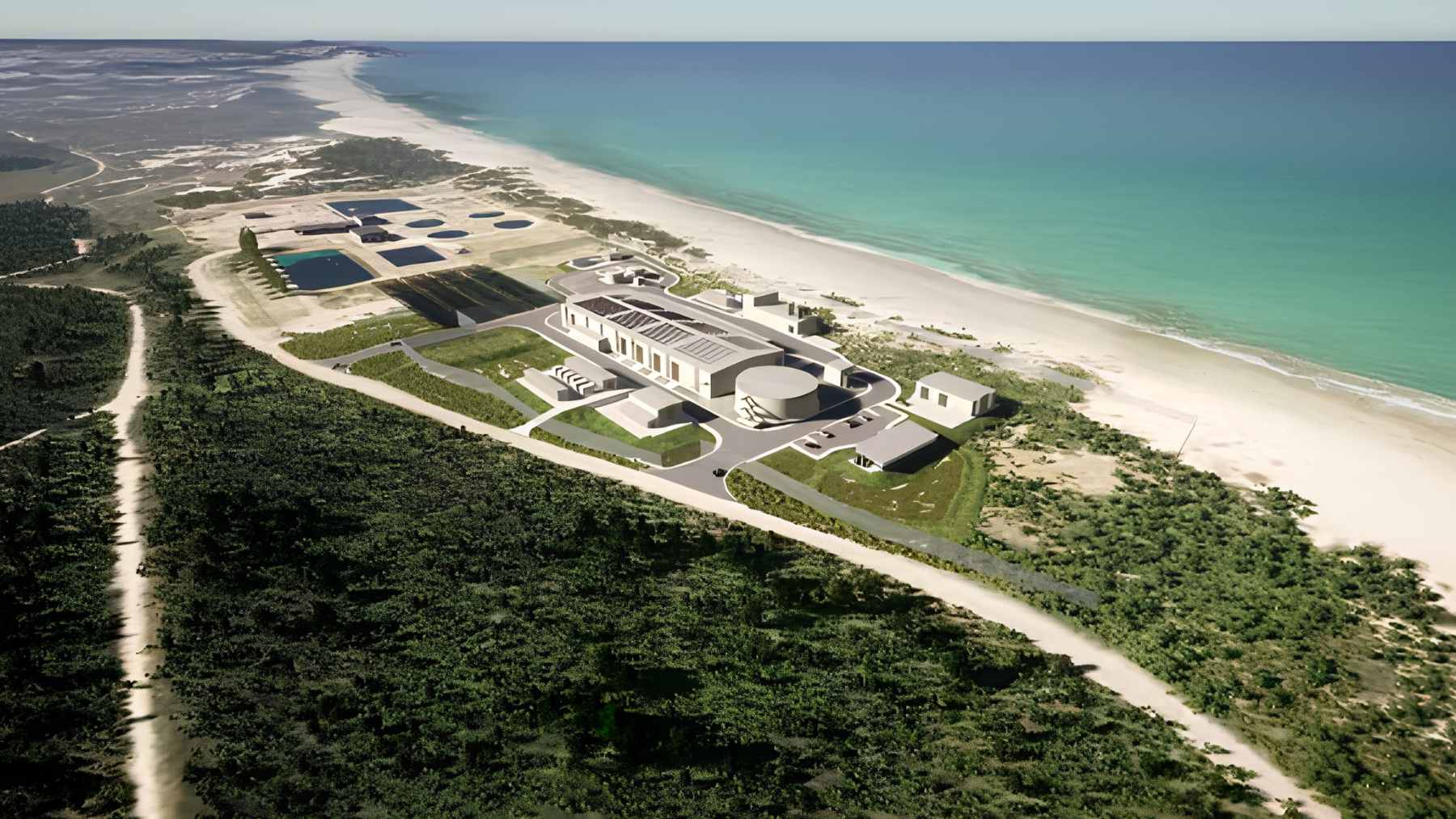
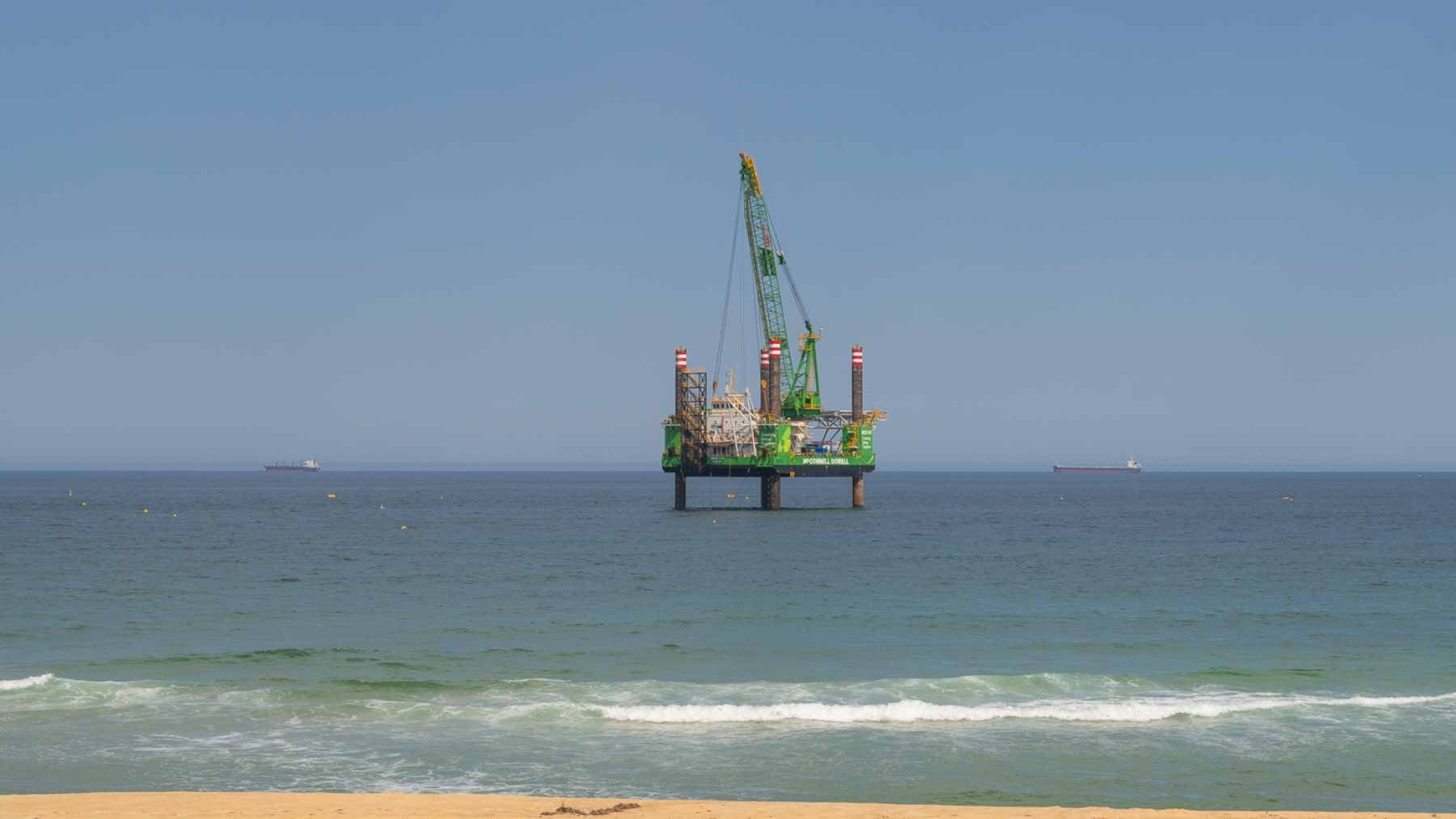
Off the coast of New South Wales, a water project is taking shape in a place most people will never see. Near Nine Mile Beach, Hunter Water is building the Belmont Desalination Plant, including an offshore intake formed by precast concrete caissons lowered onto the seabed from a jack-up barge.
Desalination can look like simple insurance, just add seawater and get drinking water. In practice, it ties water reliability to marine ecology, big construction contracts, and a steady supply of electricity. What does an offshore intake have to do with your power bill and your community’s sustainability?
Offshore construction meets shoreline politics
Hunter Water says a jack-up barge has been stationed about a half-mile off Nine Mile Beach to support marine works, including building the direct ocean intake structure and tunneling a pipeline beneath the seabed.
In an April 2026 community update, the utility said it is partnering with John Holland, and reported offshore crews had installed all four caissons and were working to lower and secure them into position.
The aim is to reduce beach disruption while still moving seawater reliably. Hunter Water says the intake uses a low-velocity design located above the seafloor almost one kilometer offshore, and the pipeline is intended to be installed under the ocean floor and Blacksmiths Beach using a tunneling method.
Construction is never invisible. Hunter Water’s notices flag-heavy vehicle movements, lighting for around-the-clock tunneling and offshore work, and helicopters transporting workers between Lake Macquarie Airport and the offshore barge during daytime hours, alongside high-voltage power upgrade work on Ocean Park Road.
The numbers and the business case
At full output, Hunter Water says Belmont is designed to add up to 30 million liters of drinking water per day (roughly 7.9 million gallons) which it describes as around 15% of the Lower Hunter region’s average daily water needs. The utility estimates the cost to design and build the permanent plant at about $530 million, including required network upgrades.
Hunter Water presents Belmont as part of a portfolio that includes water efficiency, leakage reduction, and recycled water, with desalination providing rainfall-independent supply during drought and other shocks.
In its public material, the utility says the plant can help slow storage depletion in a long and severe drought by about six months, delaying more severe restrictions.
In a document included in Hunter Water’s 2024 pricing proposal to NSW regulator IPART, the utility argued the plant reduces the risk of triggering drought response emergency actions from almost certain over a five-year period to 2% in any given year.
The upside is avoided disruption, but the investment is large and the operating costs tend to be power-heavy.
The technology and the energy tie-in
Hunter Water says seawater will be pre-treated, filtered through ultra-fine membranes, then forced at high pressure through almost one thousand reverse osmosis membranes, producing drinking water that is treated to meet Australian Drinking Water Guidelines. The utility says about 42 percent of the seawater becomes drinking water.
The remaining concentrate is an ecological variable. Hunter Water says the brine will be pumped to the existing Belmont Wastewater Treatment Works ocean outfall and dispersed through diffusers, with the concentrate described as about twice as salty and about one degree warmer than the ocean before mixing.
The utility says its assessment is that the discharge is not expected to significantly impact marine life around the outfall.
Energy sits underneath all of this. Engineering research on seawater reverse osmosis has reported overall plant electricity use in the range of roughly 3.9 to 5.6 kilowatt hours per cubic meter, depending on design and conditions.
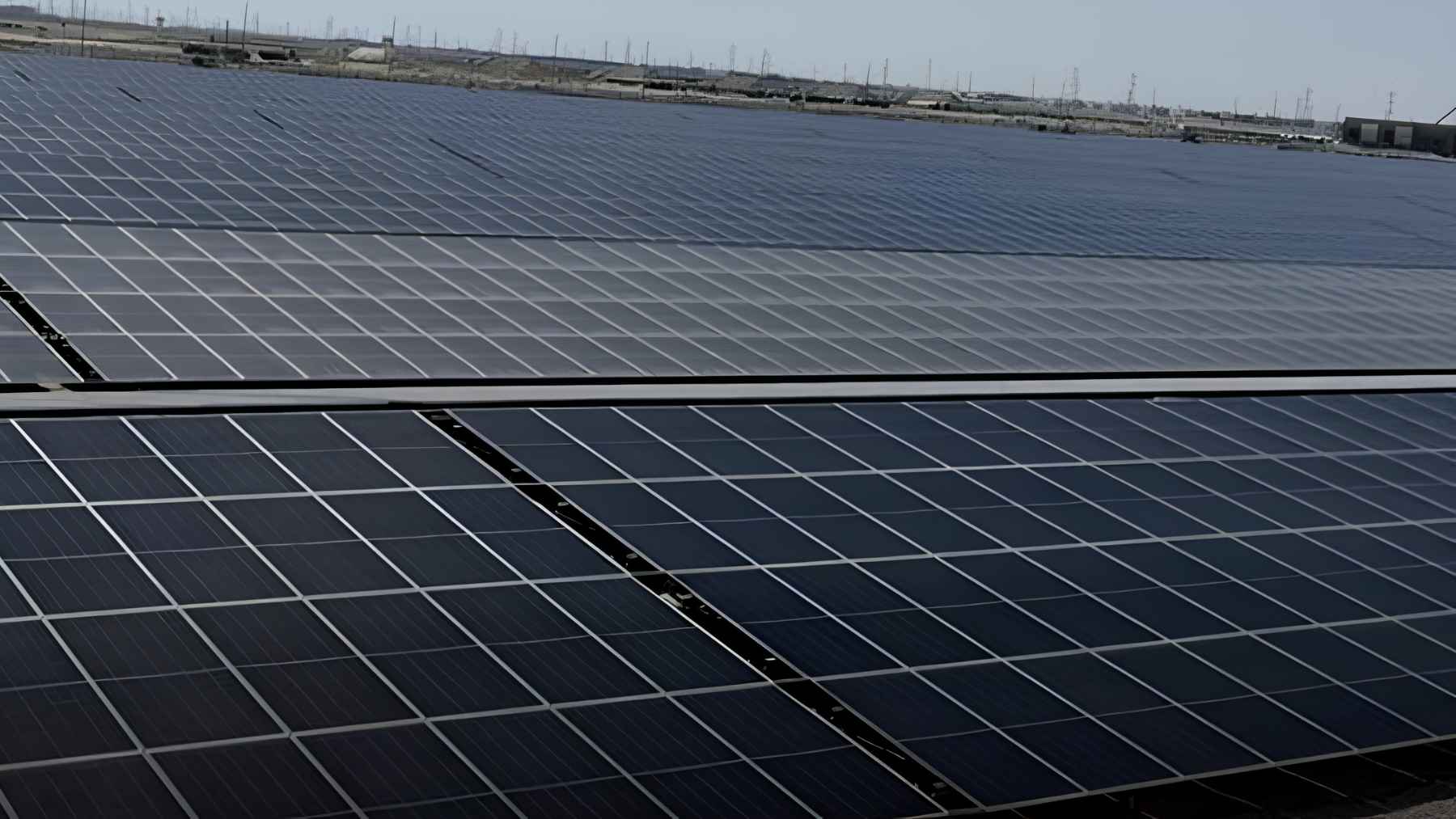
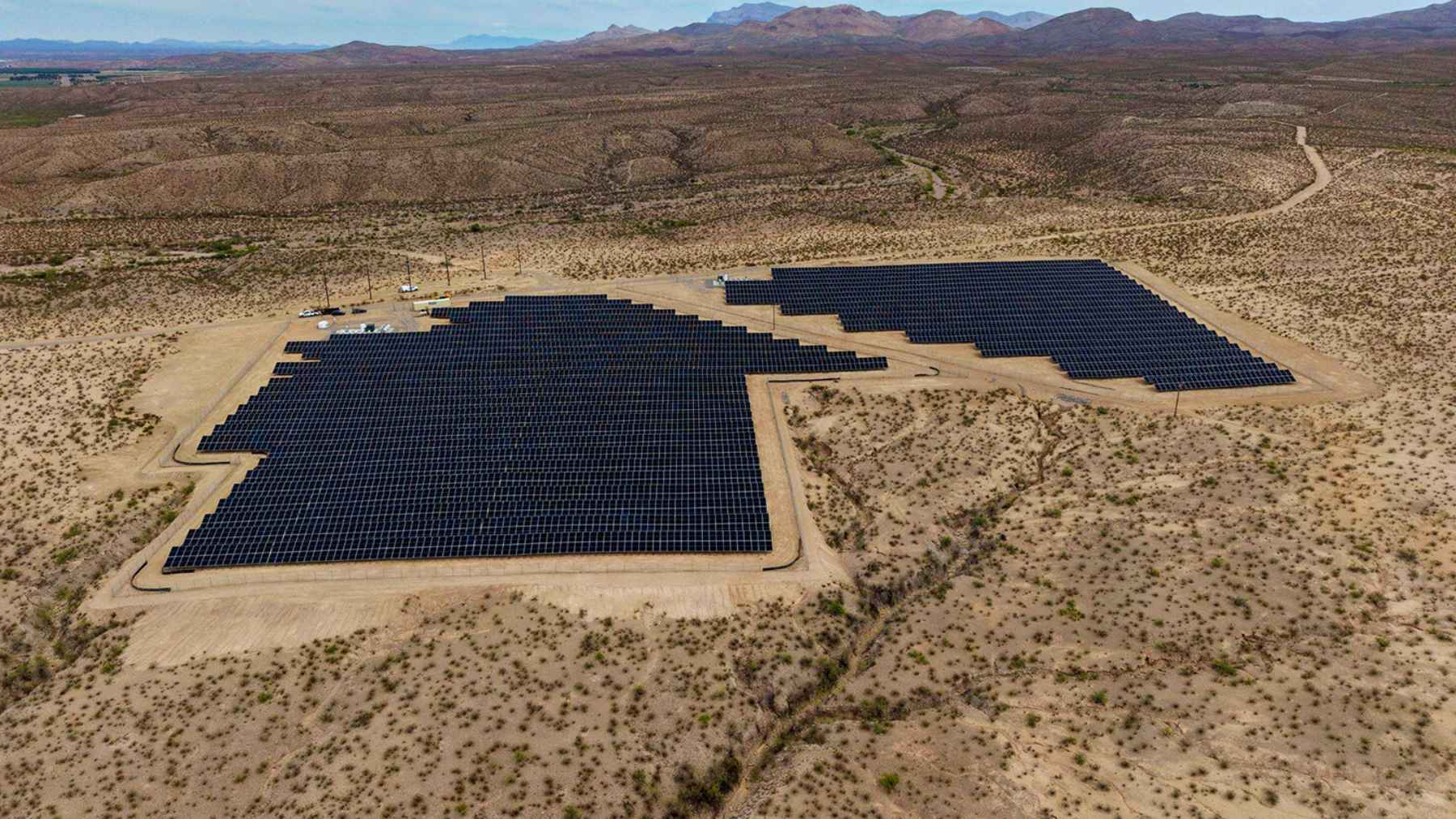
At Belmont’s scale, that implies roughly 120 to 170 megawatt hours per day if the plant ran at full output, which helps explain why Hunter Water says it plans for on-site solar and renewable electricity procurement alongside grid power.
Ecology, oversight, and the security lens
Hunter Water says the low-velocity intake is intended to reduce risk to sea life, and its April update says qualified marine fauna observers monitor for whales and other species, with activities pausing if animals are sighted nearby.
Intake guidance from the WaterReuse Association also notes that the magnitude of environmental impacts from seawater intakes is site-specific and can vary significantly from one project to another, which is why monitoring data matters as much as the design.
The United Nations Environment Programme has warned that brine disposal and high-energy consumption are major downsides of desalination, even as the technology expands to meet water shortages. For communities, the practical question is whether operators will publish enough performance information to earn trust once the plant is running.
An Australian Senate committee report on climate change and national security described climate change as a threat multiplier that can worsen pressures including water and energy challenges. In that light, desalination is not only an environmental tool, it is critical infrastructure that supports disaster response and the continuity of everyday life.
The official community update was published on Hunter Water.