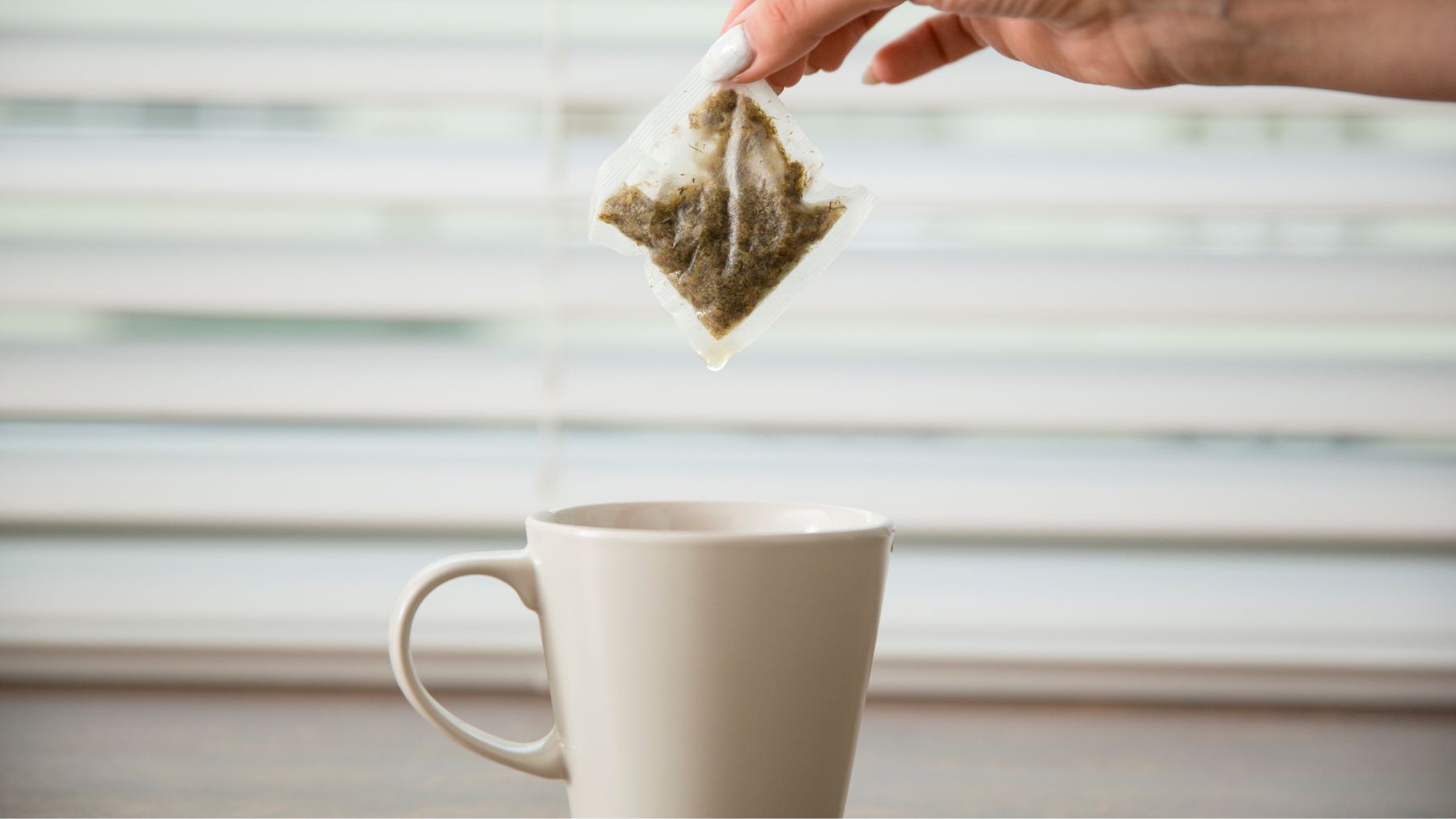
Drinking tea might seem like one of the healthiest rituals, but researchers are now warning that some popular tea bags could be exposing people to alarming amounts of micro- and nanoplastics. A new study found that steeping tea in plastic-based bags can release billions of these tiny particles into every cup, raising growing concerns about their effects on human health.
Scientists behind the research say the issue lies in the materials used to manufacture tea bags, which often include plastics such as polypropylene or nylon. When exposed to hot water, these materials can break down and release microscopic particles that may end up being ingested.
Tea bags under scrutiny after new research
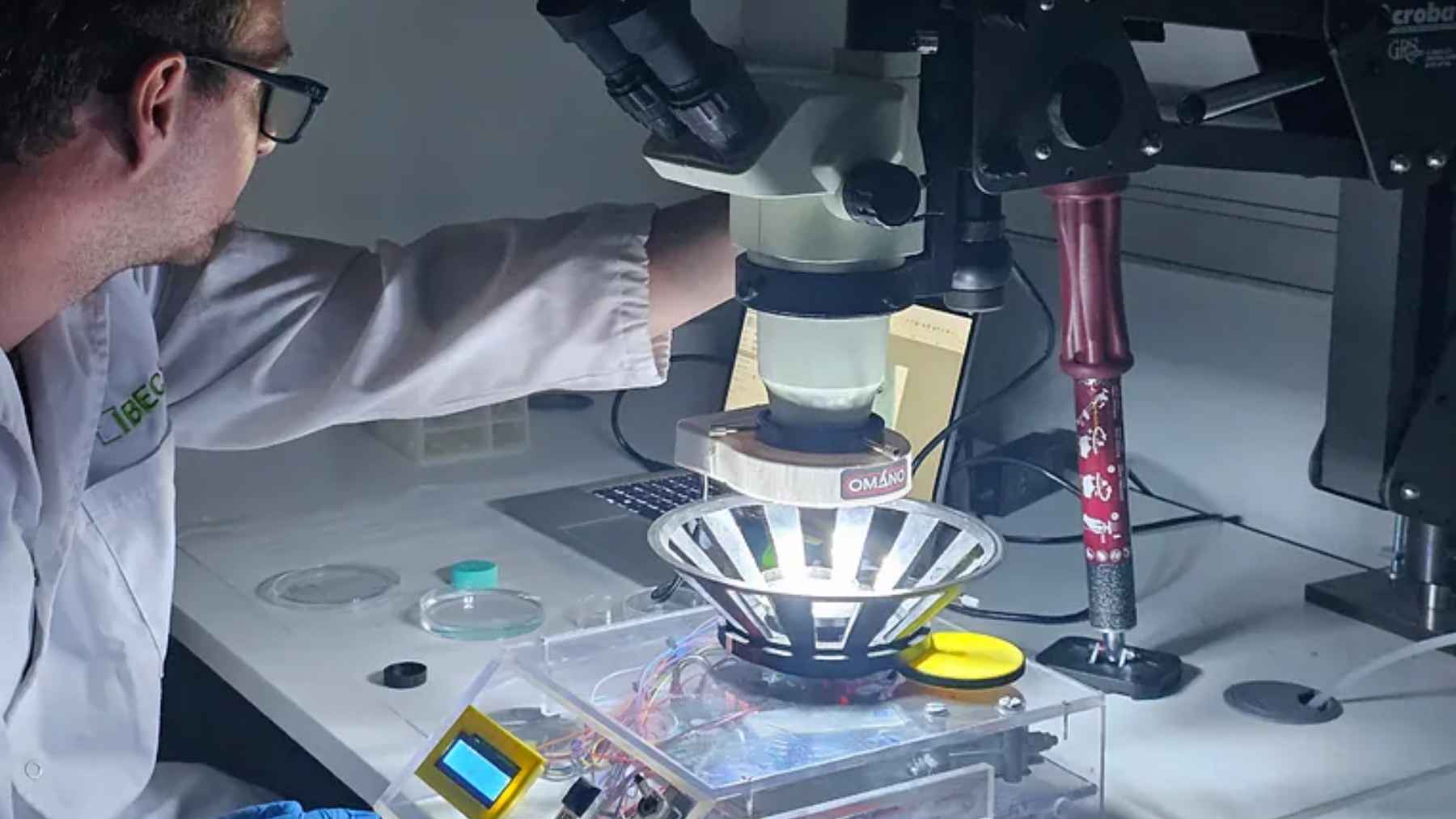
The findings come from microbiologists at the Universitat Autònoma de Barcelona (UAB) in Spain, who analyzed how much plastic is released by three types of commercial tea bags and how those particles interact with human cells. The study, published in Chemosphere in 2024, examined tea bags made from polypropylene, nylon-6, and cellulose — three common materials used in the tea industry.
According to the research team, the tea bags containing polypropylene released approximately 1.2 billion plastic particles per milliliter of tea. In comparison, cellulose-based bags released about 135 million particles, while those made with nylon-6 released around 8.18 million per drop. These microscopic fragments, known as micro- and nanoplastics, are small enough to pass through the body’s biological barriers, including into the bloodstream.
To understand how these plastics behave once ingested, the team stained the particles and exposed them to human intestinal cells. After just 24 hours, the scientists observed that the plastics had been absorbed by a specific type of digestive cell responsible for producing mucus in the intestines. In some cases, the particles had even entered the nucleus of the cells — the place where genetic material is stored.
How tea bag plastics could affect human health
This finding suggests that mucus in the digestive system may play a major role in how plastics enter the body. Once inside, nanoplastics could travel through the bloodstream and reach different organs, potentially damaging mitochondria — the energy-producing structures inside cells — or even DNA.
The scientists also noted that tea bags represent just one of many potential exposure routes. Food packaging, plastic kitchenware, and disposable containers can all release similar particles when exposed to heat or friction.
Calls for stronger regulation
To conduct the research, the UAB team used advanced technologies — including electron microscopy, infrared analysis, and nanoparticle tracking — to precisely measure plastic contamination levels. Their results, they said, should prompt stricter regulations on plastic use in food contact materials.
“The insights gained from this study should inform regulatory policies aimed at minimizing plastic contamination and protecting public health,” the authors wrote in their report.
Dauder hopes the findings will help drive policies to phase out single-use plastics and encourage safer materials in products like tea bags. Still, he acknowledged that micro- and nanoplastics are already so widespread that eliminating them entirely will be an enormous challenge.
For now, the researchers urge consumers to be cautious and consider alternatives — such as loose-leaf tea or biodegradable tea bags — until manufacturers adopt safer materials.