If you think your electric bill has been creeping up, you are not imagining things. Across the US, electricity demand is starting to rise again, pushed by new factories, electrification, and a major new player that never sleeps: AI data centers.
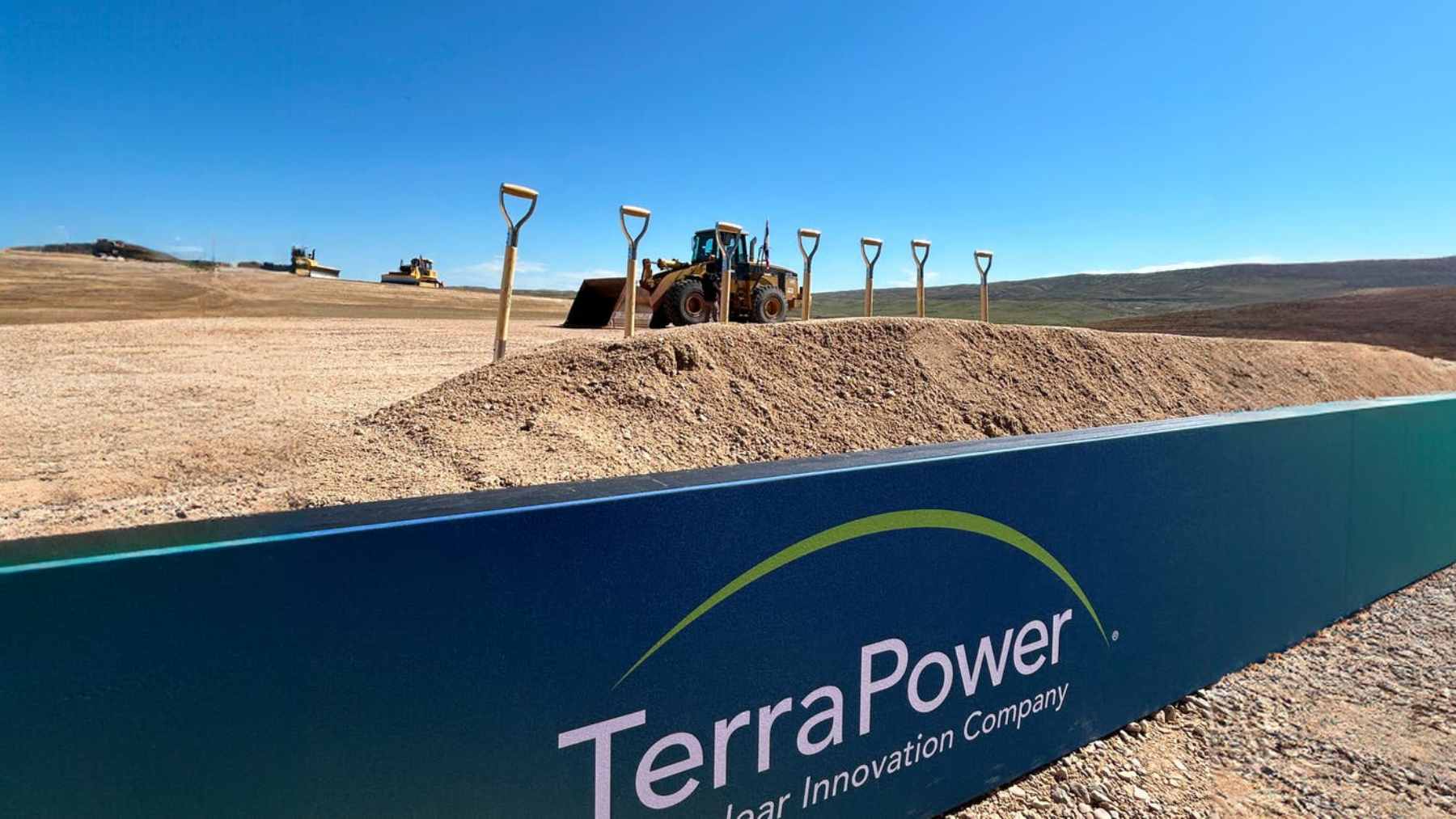
That is the backdrop for a big nuclear milestone in Wyoming. On March 4, the US Nuclear Regulatory Commission (NRC) authorized its staff to issue a construction permit for TerraPower’s Kemmerer Unit 1, a commercial Natrium reactor backed by Bill Gates, marking the first commercial reactor construction approval in nearly a decade.
A rare permit in a decade
The NRC decision matters because it is not just another paperwork step. The agency calls it the first approval for a commercial non-light water reactor in more than 40 years, which is a polite way of saying the US has not done this at scale in a long time.
It also moved fast by nuclear standards. The NRC notes TerraPower filed the application in March 2024 and the formal review began in May 2024, with safety and environmental documents completed in 2025.
Still, do not confuse a construction permit with a green light to flip the switch. TerraPower will need to submit a separate operating license application before the plant can run and deliver power to the grid.
A reactor built for a new kind of grid
TerraPower’s Natrium design is rated at 345 megawatts electric, with an energy storage system that can temporarily boost output to 500 megawatts when demand spikes.
In practical terms, that means it is trying to behave less like an old-fashioned baseload plant and more like a flexible power tool. TerraPower says the storage system lets the plant ramp up quickly at peak times, with output that can be comparable to powering around 400,000 homes when boosted.
There is also a big business storyline here. In its latest update, TerraPower said it is mobilizing roughly 1,600 workers for construction and expects about 250 full-time staff once operational, with the project targeting completion in 2030.
AI data centers are rewriting the math
Why does flexibility suddenly matter so much? Because demand is getting “spikier,” and not only because of that sticky summer heat we all know.
Wyoming has become a real case study. The Associated Press recently reported a massive AI data center project near Cheyenne that would start at 1.8 gigawatts and could scale to 10 gigawatts, a level of consumption that can dwarf what regular households in the state use.
On the national level, Reuters reported that US data center electricity use is forecast to roughly double within five years, rising from 176 terawatt hours in 2023 to between 325 and 580 terawatt hours in 2028, based on government data.
Climate upside, with real baggage
From an environmental perspective, the appeal of nuclear power is straightforward. The US Energy Information Administration says nuclear reactors do not produce air pollution or carbon dioxide while operating, unlike fossil fuel plants.
But nuclear power is not “impact free,” and readers should be honest about that. The same EIA overview notes that uranium mining, fuel processing, and building large facilities still require energy, and nuclear energy produces radioactive waste that can remain hazardous for thousands of years.
That is why the permitting process is as much about ecology as it is about engineering. The NRC’s own notice says it made the required regulatory safety and environmental findings for the site before moving the permit forward.
The fuel bottleneck and the defense angle
One of the least talked about parts of “advanced nuclear” is that new designs often need new fuel supply chains. Natrium is designed to use HALEU (high-assay, low-enriched uranium), and Reuters has noted that Russia has been the only major supplier of HALEU in commercial amounts, creating a serious vulnerability for US projects.
That vulnerability has already reshaped timelines. Reuters reported TerraPower had to delay its Natrium start date by about two years to 2030 after Russia’s invasion of Ukraine disrupted fuel assumptions and the US moved away from Russian supply options.
This is also where “Military and Defense” connects to a Wyoming power plant in a way people do not always see. The Department of Defense’s Strategic Capabilities Office launched Project Pele to design and demonstrate a prototype mobile nuclear reactor for reliable power, reflecting the Pentagon’s view that resilient energy can be a critical enabler for future operations.
At the end of the day, the big question is simple: whether the US can build enough clean, dependable electricity fast enough to feed AI growth without leaning even harder on fossil fuels, and without ignoring the waste and security tradeoffs that come with nuclear.
The press release was published on TerraPower.