


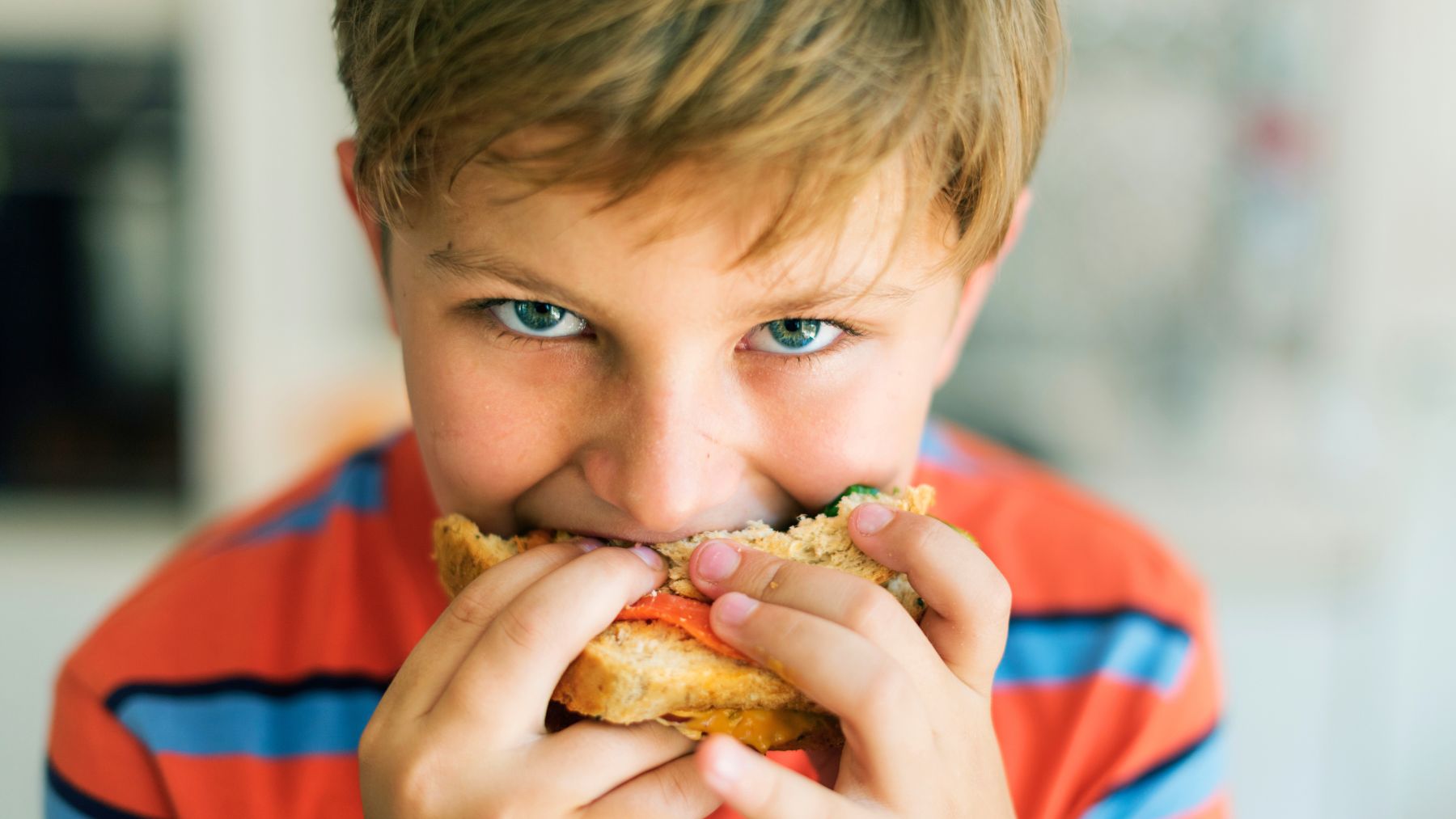
Harvard nutrition experts are asking parents to take a closer look at what lands on their kids’ plates, and one warning stands out: processed meats, especially bacon, shouldn’t be everyday foods for children. The message lines up with what pediatric dietitians have been saying for years about salt, preservatives, saturated fat, and the long-term effects of highly processed foods.
Here, we’ll look at why Harvard flags bacon as something to keep to a minimum, what it means for a child’s diet quality, and how parents can build healthier meals using fruits, vegetables, whole grains, beans, fish, poultry, and healthy oils.
Why kids shouldn’t eat too much bacon
Bacon checks nearly every box of what Harvard wants families to limit. It’s high in sodium, saturated fat, and nitrates, and it offers very little nutritional value compared to whole foods like beans, nuts, eggs, and fish. It falls into the category of processed meats that experts recommend avoiding altogether. That includes deli meats, hot dogs, sausages, and other heavily salted or cured products.
For children, the concern is even more important. Kids have lower calorie needs, so every bite has more impact. When a large portion of their diet comes from processed foods, it pushes out room for healthier sources of protein, fiber, vitamins, and minerals. Bacon also contributes to fast rises in blood sugar when paired with refined grains like white toast or processed breakfast foods.
Another issue is habit. When bacon becomes a routine part of a child’s diet, it sets up long-term preferences for salty, processed foods. Harvard emphasizes diet quality, not strict calorie targets, and bacon simply doesn’t bring the nutrients that support growth, immunity, or stable energy.
Healthier foods kids will actually eat
Parents don’t need to overhaul the pantry overnight. Small adjustments can shift a meal from processed to nourishing without losing simplicity or flavor. Here are options that fit Harvard’s guidance and appeal to most kids:
- Beans and peas. Simple options like chickpeas, lentils, and black beans add fiber and plant-based protein. They work in tacos, soups, and rice bowls.
- Eggs and poultry. Scrambled eggs, roasted chicken, or homemade chicken strips offer protein without the additives found in processed meats.
- Fish. Salmon, cod, or canned tuna in water provide healthy fats that support brain development.
- Nuts and seeds. Almonds, sunflower seeds, or nut butters add healthy unsaturated fats that growing bodies need.
- Whole grains. Brown rice, whole wheat pasta, oatmeal, and quinoa create steady energy and pair well with vegetables and proteins.
- Colorful fruits and vegetables. Harvard encourages filling half the plate with produce because that’s where the vitamins, minerals, and antioxidants come from.
- Healthy oils. Extra virgin olive oil, canola oil, and other plant-based oils support heart health and replace butter and processed spreads.
- Water instead of sugary drinks. Harvard stresses that juice should be limited to one small glass per day, and soda, sports drinks, and fruit drinks should be avoided.
Replacing bacon doesn’t mean removing flavor or comfort. It simply shifts the focus toward foods that help kids grow stronger and healthier without the downsides of processed meats. The goal is better choices, made consistently.